
 UAE
UAE  Saudi Arabia
  USA
USA Quiet Fan for the Bedroom: The Specs That Actually Matter
We may earn a commission from purchases through our links, at no extra cost to you. How we choose · Disclosure.
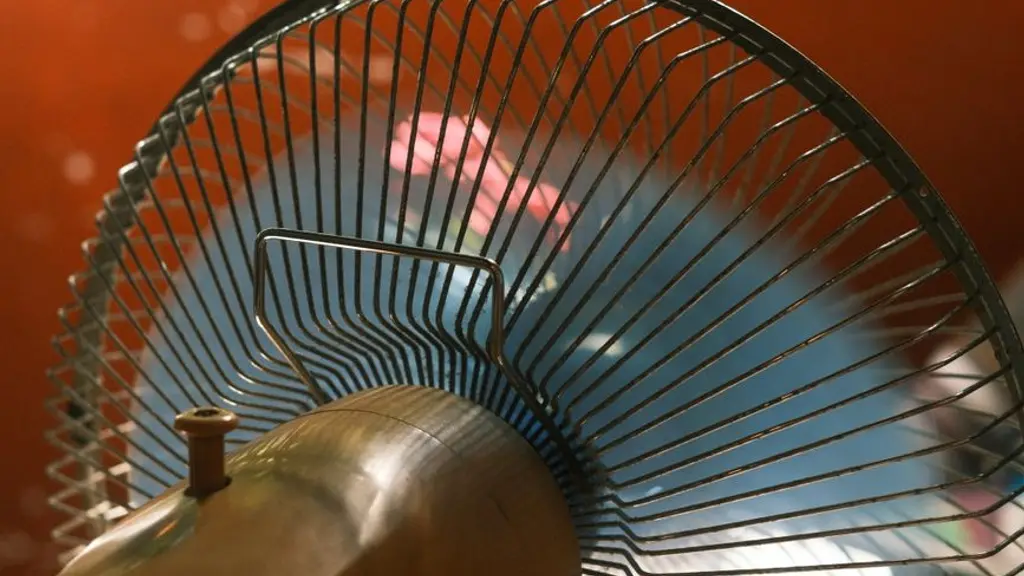
A fan quiet enough to sleep next to without noticing isn’t about the brand, it’s about the specs: a quiet motor (DC is best), a bigger blade that turns slower and so gives you the same air with less noise, enough speed steps that there’s a genuinely low, comfortable setting, and a heavy base that doesn’t wobble. The brands that print “Silence” or “quiet” work on exactly these points, and our quietest choice in the best stand fan in Egypt explains why.
What actually makes a fan quiet?
Quiet isn’t one number, it’s a few things working together. Focus on these, in order:
- The motor: a standard AC motor gives a light hum that rises with speed. A DC motor (it’ll be printed on the box) spins more smoothly and quietly, draws less power, and usually comes with more speed steps. If quiet is a priority, look for DC or a model with quiet-running tech.
- Blade size and spin speed: this is the point most people miss. A bigger blade (16 or 20 inches) turns slower and moves the same amount of air with less noise than a small blade spinning frantically to make up for its size. So bigger and slower means quieter for the same cooling.
- Number of speeds: 3 speeds is the minimum, but the more speeds there are, the more likely you’ll find a genuinely low, comfortable setting to sleep on. A fan whose first speed is still strong and loud won’t help you in bed. The models with a “sleep mode” or a very soft low speed are the ones to look for.
- Oscillation and timer: oscillation (sweeping side to side) spreads the air, so you can run it low and still feel it, which is quieter than turning it up and pointing it straight at you. And a timer switches it off after you fall asleep, so it isn’t running high all night.
- Base and build quality: most of the annoying noise isn’t from the motor, it’s vibration: a light base that shakes, a blade that isn’t seated well, or a loose screw. A heavy base and tight assembly give you a clean sound with no rattle or knock.
The rule to follow: the first source of quiet is a smooth motor and a big, slow-turning blade, and the number one enemy is vibration. Everything else is added comfort. That also explains why a fan that used to be quiet starts getting louder over time: it’s rarely the motor, it’s usually a sign the fan needs a clean, as we cover in how to clean a fan.
Noisy or quiet? A quick table
| Factor | Noisy fan | Quiet fan |
|---|---|---|
| Motor | Standard AC, hum that rises | DC or quiet-running tech |
| Blade | Small, spinning fast | Bigger, turning slower for the same air |
| Speeds | 3, and the first is still strong | More speeds or a soft sleep mode |
| Base | Light, rattles on the floor | Heavy and stable |
| At night | A steady sound that wakes you | A soft “shh” you barely hear |
A one-minute test before you buy
Whether in the shop or when it first arrives at home, this test exposes a noisy fan fast:
- Run it on the lowest speed and put your ear where your head will be in bed: you should hear a soft “shh”, not a hum or a knock.
- Gently rock the head with your hand: any looseness now means rattle and noise in a few months.
- Cycle through all the speeds while listening: the air should rise smoothly, with no clicking or friction sound.
- Look for a sleep mode or a timer, so it isn’t running high all night.
- At home, move it a bit further away and let it oscillate instead of turning it up and aiming it at you, the air still reaches you and the noise drops.
Our bedroom picks
Our clearly quietest choice on the best stand fan list is the Tefal Silence Force VG4130EE: its quiet-running tech makes it one of the quietest in its class even at higher speeds, and it comes with a remote and an 8-hour timer to switch it off while you sleep. This is the fan you sleep next to without noticing.
See the Tefal Silence Force price on Amazon ↗
If your budget is tight and you want “quiet enough” without the extras, the Fresh Galaxy 16-inch has a comfortable first speed for a bedroom, though with no remote or timer, at roughly half the price of the premium tier. And there’s another option many people overlook: the ceiling fan, because its noise source is far above your ears and it spreads air across the whole room, so it feels quieter than a stand fan for a lot of people. If installation isn’t a problem, look at the best ceiling fan, and compare current prices for both types in fan prices.
So what should I buy?
Start from one question: is quiet your top priority, or is stronger cooling? If you sleep lightly and any sound wakes you, get a model that’s labelled for quiet, like the Tefal Silence Force from our best stand fan guide, or consider a ceiling fan. And if you want to pick the right size and specs from the start, read our how to choose a fan guide, and to browse every option see the fans section. Remember that most noise comes from vibration, not the motor, so a heavy base and tight build matter more than any number printed on the box.
Sources
- Britannica, “Fan”, how a fan works and how blade size and spin speed relate to airflow and noise: https://www.britannica.com/technology/fan-ventilating-device
- Britannica, “Decibel”, a reference for sound levels (a whisper versus normal conversation): https://www.britannica.com/science/decibel
This analysis is based on published information from Britannica (Fan), Britannica (Decibel).
Frequently asked questions
How many decibels counts as a quiet fan?
As a practical rule, under about 40 decibels on the low speed is comfortable for sleeping, which is close to a whisper (around 30 decibels). Regular fans reach roughly 50 to 60 decibels at top speed, close to normal conversation. Most local brands don't print a decibel number on the box, so it's better to hear the fan yourself on the first speed before buying rather than rely on a spec number.
Does a DC motor really make a fan quieter?
Yes, it does. A DC motor spins more smoothly than a standard AC motor, so its hum is lighter and stays quiet even as you change speeds, it also draws less power and usually comes with more speed steps, meaning there's a genuinely low setting for sleeping. Its one downside is a slightly higher price. If quiet is your priority, look for DC or a model with quiet-running tech, like Tefal's Silence line.
My fan started getting noisy over time, what do I do?
Most noise that appears over time comes from vibration, not the motor: a loose screw in the cage or head, a blade that's warped or come loose, or built-up dust throwing off the balance. Switch it off and unplug it, tighten the screws, check the blade is seated firmly, and clean off the dust. If the base itself is light and rattles on the floor, put it on a flat, solid surface. If it's a constant hum coming from the motor itself, that's a sign of worn bearings and it's time to think about a replacement.
Which is quietest for a bedroom: stand, ceiling, or desk fan?
A ceiling fan usually feels quietest because the noise source is far above your ears and the air spreads across the whole room, but it needs fixed installation. A quiet stand fan (with a DC motor or Silence tech) comes very close and is more flexible since it moves around. Small desk fans spin fast to make up for their tiny blades, so they're usually the loudest of the three. For sleeping, start with a quiet stand fan or a ceiling fan.