
 UAE
UAE  Saudi Arabia
  USA
USA How to Clean a Fan: Stand, Ceiling, and Rechargeable
We may earn a commission from purchases through our links, at no extra cost to you. How we choose · Disclosure.
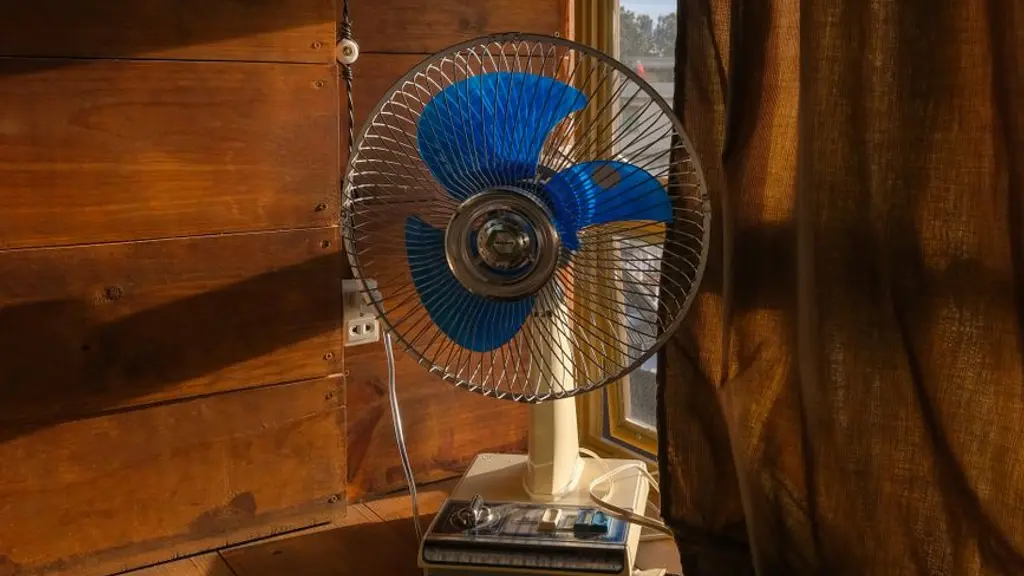
To clean a fan properly: unplug it first, wipe the grille and blades with a soft brush or a slightly damp cloth, take the grille apart for a deeper clean if you can, and keep the motor housing completely away from water. The whole job takes about fifteen minutes and brings back the airflow and quiet running you had when the fan was new.
The quick answer
Dust on the blades and grille cuts airflow and makes a fan noticeably louder. The fast version: unplug the fan, remove the front grille (most stand fans use a simple clip or a few screws), wash the plastic grille and blades with mild soap and water, and keep the motor and rear housing completely dry. A ceiling fan needs a different trick (the pillowcase method) so dust doesn’t fall through the room, and a rechargeable fan can be cleaned without taking it apart at all. We break down each type below.
Key takeaways
- Unplug it first, every time. Cleaning a fan while it’s plugged in is a real electrical risk.
- Water never touches the motor. Any moisture inside the motor housing can damage it permanently or cause a short.
- How often matters as much as how. A room facing a busy street needs cleaning every couple of weeks; a closed room can go a month or more.
- Dust isn’t always the problem. If you clean it properly and it’s still loud or the blades wobble, the issue is the motor or the blade itself, not dirt.
Safety first
- Unplug the fan completely, don’t just switch it off at the wall.
- If you’re removing screws, keep them in one spot so you can put the grille back the right way.
- The motor and its rear housing (where the wiring sits) are off limits: wipe with a dry or barely damp cloth only, never submerge it or spray it directly.
- Cleaning a ceiling fan means a ladder: use a stable one, have someone steady it if you can, and stay clear of any wiring near the ceiling.
- Let every washed part dry completely (at least half an hour to an hour) before you reassemble and switch the fan back on.
Cleaning a stand fan: taking the grille apart
- Unplug the fan and set it on a flat surface.
- Most stand fans have a clip or a few small screws around the front grille. Undo them and remove the front and back grille.
- Wash both grille pieces in warm water with a little dish soap, and use an old toothbrush to work dust out of tight corners.
- Wipe the blades with a damp cloth. If the blade set comes off easily (usually a single center nut), wash it separately for a much deeper clean.
- Let everything dry fully, then reassemble the grille and blades and check the blades spin freely without rubbing against the grille.
If the grille on your model doesn’t come apart, a soft brush or a vacuum’s brush attachment on the lowest suction setting removes most of the surface dust without disassembly.
Cleaning a ceiling fan: the pillowcase trick and ladder safety
The problem with a ceiling fan is that the dust falls on you while you clean it. The fix is simple: slip an old pillowcase over each blade, press it against the blade from outside the fabric, and slide it off slowly. The dust stays trapped inside the pillowcase instead of scattering across the room. Repeat for each blade, then wipe the top and bottom of each one with a slightly damp cloth if there’s any grease buildup (common in kitchens).
Follow the same ladder rules as above, plus one more: don’t touch the fan’s motor housing or the wiring coming out of the ceiling. That’s electrical work, not cleaning.
Cleaning a rechargeable or desk fan without taking it apart
Small rechargeable and desk fans usually have a tight grille that’s hard or impossible to open, so the easiest method is a soft brush (a makeup brush or an old toothbrush works well) worked between the grille slats to loosen dust, followed by a lightly damp cloth wiped over the outside of the grille only. Never submerge this type of fan in water. Most of them carry a battery or a charging circuit that’s very sensitive to moisture.
Table: how often to clean a fan based on where it sits
Dust builds up at different rates depending on where the fan lives, so the right cleaning schedule isn’t the same for every room:
| Fan location | Dust level | Suggested frequency |
|---|---|---|
| Facing a window on a busy street or near a workshop | High | Every 1-2 weeks (quick grille wipe) |
| Kitchen (dust plus grease in the air) | High | Every 2 weeks, deep clean monthly |
| Bedroom or office kept closed most of the day | Medium | About once a month |
| Regular living room | Medium | Every 3-4 weeks |
| Storage room or a fan you rarely use | Low but builds up | Wipe it down before each new season of use |
If you’re not sure, run a finger along the grille. If you feel a clear layer of dust, it’s time to clean it regardless of the schedule.
When to stop and call a technician
Sometimes cleaning brings a fan back to like-new. Other times the problem isn’t dust at all:
- Loud noise or clicking even after a full clean with the blades sitting straight and secure: that usually points to a motor that’s wearing out, and that’s not a home fix.
- A blade that’s bent or sits at an angle: a bent blade makes the fan vibrate and stay loud even when it’s spotless, and replacing a single blade usually isn’t something you can buy separately.
- The fan takes a long time to reach full speed, or heats up fast: that’s a sign of an electrical issue inside the motor. Leave it alone and don’t try to open it yourself.
In these cases, cleaning won’t fix the underlying issue, and it’s often cheaper to replace the fan than to repair a motor. If you’ve reached that point, our best stand fan guide is based on specs, the consensus of buyer reviews, and local prices.
Stop using the fan and have it checked by a qualified technician before using it again.
Bottom line
Cleaning a fan isn’t complicated, but it has to be done the right way: unplug it, keep water away from the motor, and clean it on a schedule that matches where it sits rather than a single fixed rule for every home. If you’ve cleaned a fan properly and it’s still loud or the blades wobble, the issue is age, not dust.
- Ready to pick a new fan the right way? Read our how to choose a fan guide.
- A clean fan runs a little lighter on the motor, which makes a small difference to running cost. See the details in fan electricity consumption.
- Looking for something quiet enough for a bedroom? Check the best quiet fan for a bedroom.
- And when you’re ready to buy, compare current prices in fan prices and browse every option in the fans section.
Sources
- Britannica, “Fan”, background on fan construction, motors, and housing: https://www.britannica.com/technology/fan-ventilating-device
- US EPA, “Sources of indoor particulate matter”, on dust accumulation and its effect on household appliances and airflow: https://www.epa.gov/indoor-air-quality-iaq/sources-indoor-particulate-matter-pm
This analysis is based on published information from Britannica (Fan), US EPA (Sources of indoor particulate matter).
Frequently asked questions
How do I clean a stand fan's grille without taking it fully apart?
If the dust is light, a soft brush or a vacuum's brush attachment on low suction removes most of it without disassembly. If the dust is caked on or old, it's better to remove the grille (usually a simple clip or a few screws) and wash it with soap and water for a real clean.
Can I wash a fan's blades with water?
Yes, if the blades are plastic and removable, wash them in warm water with mild soap and let them dry fully before reattaching. What you should never wash with water is the motor housing or any part with wiring or a circuit inside.
How do I clean a ceiling fan without dust falling all over the room?
Slip an old pillowcase over each blade, press it against the blade from outside the fabric, and slide it off slowly so the dust stays trapped inside. It's faster than wiping each blade by hand and saves you from sweeping the floor afterward.
How often should I clean a fan?
It depends on where it sits. A room facing a busy street or a kitchen needs cleaning every couple of weeks, while a closed bedroom or office is usually fine with about once a month. If you can feel a layer of dust on the grille, it's time to clean it regardless of the schedule.
I cleaned my fan and it's still loud. What's wrong?
It's probably not dust anymore. If the blades are clean and sit straight but the noise or clicking is still there, the motor is likely wearing out or a blade is slightly bent, and that's closer to the end of the fan's life than a cleaning problem. At that point, repair usually costs more than it's worth compared to a new fan.