
 UAE
UAE  Saudi Arabia
  USA
USA Vacuum for Pet Hair: What to Actually Look For
We may earn a commission from purchases through our links, at no extra cost to you. How we choose · Disclosure.
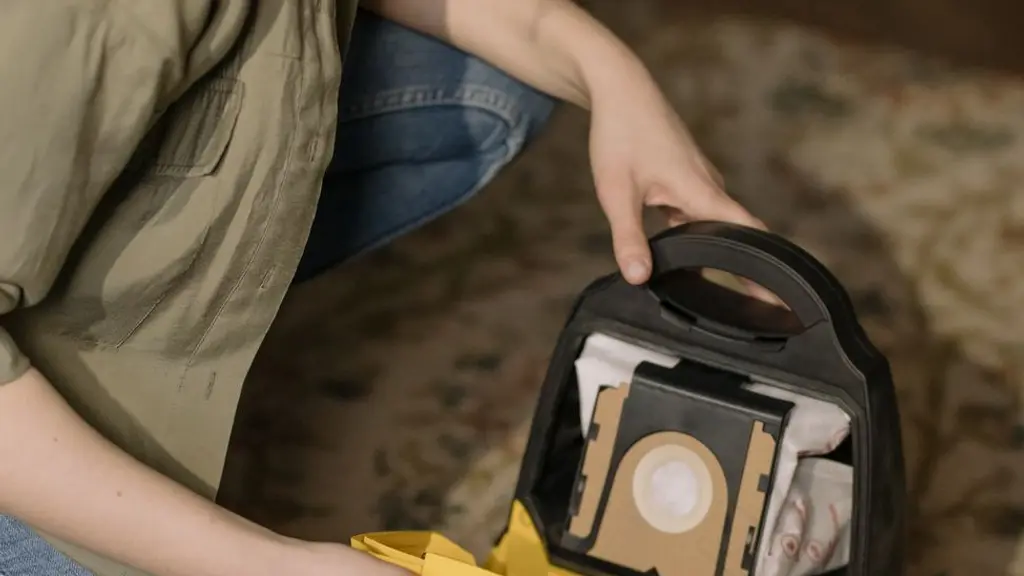
For pet hair, verify the exact head and its cleaning access before choosing a vacuum. A motor-input number or a “pet” label does not establish how well it removes embedded hair from your rug or sofa. The evidence here describes supplied tools and care requirements; it does not identify a pickup winner.
Match the attachment to the job
List your actual surfaces: rugs, hard floors, upholstery or stairs. Ask which attachment is supplied for each and whether its instructions permit that surface. A multi-surface nozzle, an air-driven turbine and an electrically powered roller are different designs. A floor-head pedal does not by itself establish an electric roller.
Our tile-and-carpet guide explains these checks. If embedded hair is the decisive issue, look for an exact-model trial on a comparable surface, with its head and operating mode stated. No such trial was supplied here.
What the Philips FC9350/62 actually includes
The exact Philips sheet lists a MultiClean nozzle, crevice tool and integrated brush. It does not list a powered or tangle-resistant pet roller. The featured card is therefore a general-purpose specification reference.
Philips lists 360W maximum suction power, 33kPa maximum vacuum and 37L/s maximum airflow, separately from 1600W IEC input and 1800W maximum input. None is a common pet-hair pickup score. Its 1.5L bin, 4.5kg body, 6m cable and 9m action radius give you practical size and reach checks. Empty according to the fill line; your emptying frequency was not measured.
Check safe access for hair removal
Hair can wrap around parts of a head. Disconnect power and follow only the access and cleaning method allowed in your model’s instructions. Do not dismantle a head or cut near wiring because another model allows it.
| Check | What to establish |
|---|---|
| Supplied head | Exact name, surface compatibility and offered box contents |
| Hair removal | Manual-approved access with power disconnected |
| Pickup evidence | Surface, head and mode in an exact-model comparison |
| Bin and filters | Fill line and each part’s care instructions |
Keep filtration separate from a health promise
Allergy H13 exhaust filtration is a manufacturer specification. Philips describes sealed filtration, but the evidence here contains no independent whole-machine leakage result. A filter grade alone cannot predict a reader’s exposure or symptoms.
Philips filter care says the pleated EPA/HEPA/allergy element must not be washed. Wash only the permitted foam part, let it dry completely and follow the replacement instructions. Bagless avoids disposable bags, but replacement filters can still cost money. Use the ownership worksheet with known costs.
The card retains its original price-check date; its Amazon.eg link lets you check the seller’s offer. See our vacuum shortlist, chooser and vacuum hub for the wider decision.
This analysis is based on published information from Exact-model manufacturer specifications and filter-care instructions.
Frequently asked questions
What should I check first for pet hair?
Check the exact supplied floor or upholstery head, its surface compatibility and its user-cleaning instructions. We have no comparative pet-hair pickup trial for this model.
Does the FC9350/62 have a powered anti-tangle pet roller?
The Philips sheet lists a MultiClean nozzle, crevice tool and integrated brush. It does not document a powered or tangle-resistant pet roller. Confirm any separately offered attachment and compatibility.
Does Allergy H13 guarantee an allergy benefit?
No. It is a filter specification, not a verified health outcome or an independent whole-machine leakage result.
Can all its filters be washed?
No. Philips distinguishes washable foam from the non-washable pleated EPA/HEPA/allergy element. Dry washable parts fully before refitting and follow the exact part instructions.