
 UAE
UAE  Saudi Arabia
  USA
USA Washing Machine Installation Checklist for an Egyptian Apartment
We may earn a commission from purchases through our links, at no extra cost to you. How we choose · Disclosure.
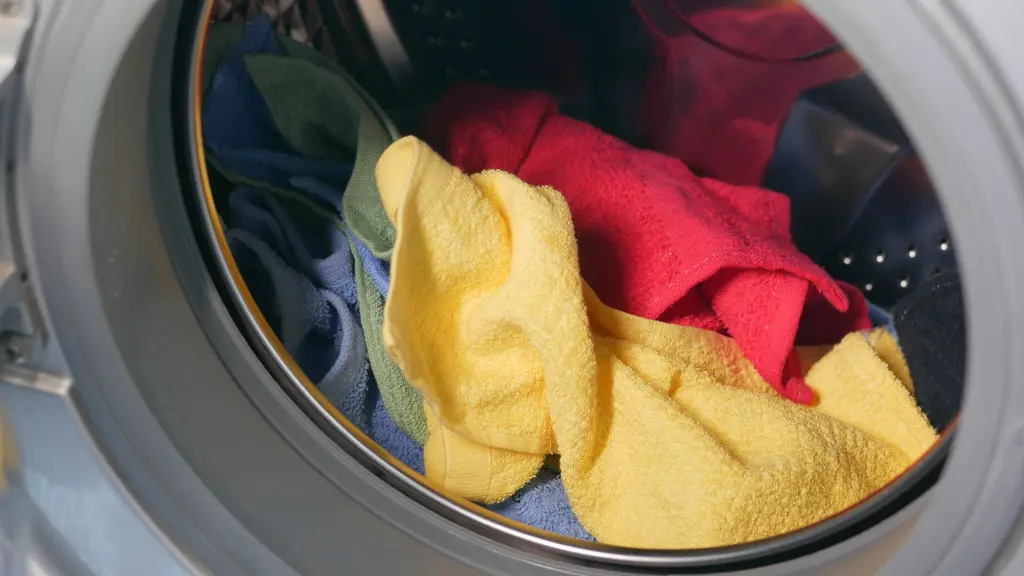
A washing machine can fit the alcove and still be installed badly. In an Egyptian apartment, the usual pressure points are delivery access, a tight utility corner, an uneven tile floor, a distant drain, or water pressure that changes through the day. This checklist keeps the checks in the right order and keeps electrical and fixed-plumbing work with qualified technicians.
Before delivery
- Measure the width, depth, and height of the final position, not just the room.
- Measure doors, corridor turns, lift access, and any countertop edge on the route.
- Leave the ventilation and hose clearance required by the exact model manual.
- Confirm that the inlet tap, drain point, and earthed wall outlet are reachable without extension leads or improvised hose runs.
- Check that the floor is solid and can be levelled. A loose platform or unstable stand is not a substitute for a sound floor.
If you are still choosing a format, the main washing-machine recommendations and buying guide help match capacity and door clearance to the apartment before delivery day.
Hoses and connections
Keep the machine unplugged while inspecting the hoses. Remove transport bolts only in the order stated by the manufacturer, save them for a future move, and check that the inlet and drain hoses are undamaged and not kinked.
Connect only fittings designed for the machine and only hand-tighten them as the manual permits. Do not cut fixed pipework, change a wall valve, build a drain connection, or use tools to force mismatched threads. After opening the tap slowly, watch every joint for moisture. A drip that returns after correct hand-tight fitting needs a qualified plumber or authorised installer.
Level the cabinet
An unlevel cabinet can rock and move during spin. With the appliance unplugged, press gently on opposite top corners. If it rocks, adjust only the levelling feet described in the manual, keeping every foot firmly on the floor. Do not wedge loose scraps under the machine. Recheck after the machine has filled and drained once, because weight can reveal movement that was not obvious when empty.
Check the water supply
Open the dedicated tap fully and check that the inlet hose has no sharp bend. If the manual gives a pressure range, compare it with the building supply through a qualified installer. Slow filling at busy times can be a building issue, not a machine fault. Do not add a booster pump or alter apartment plumbing without a plumber who can assess the whole supply.
Make the first empty run
Follow the exact manual for the initial program. Before starting, check that the drum or tub is empty, transport restraints are removed, the drain hose is secured at the permitted height, and the tap is open. Stay nearby for the first fill, drain, and spin. Look for leaks, listen for repeated impact, and confirm that the drain does not overflow.
After a clean first run, compare your model with current washing-machine prices only if delivery revealed a real fit problem. The washing-machines hub keeps the wider cluster in one place, and the top-load shortlist shows the evidence behind the Fresh example above.
Stop and call a qualified technician
Stop, close the water tap if it is safe to reach, unplug only if the plug and floor are dry, and call a qualified technician when you see a damaged cable, hot plug or outlet, repeated breaker trip, burning smell, water near electrics, a leak from inside the cabinet, severe movement, or a drain that backs up. Do not open an electrical panel, bypass a door lock, replace a wall outlet, or alter fixed plumbing yourself.
Final check
Keep the manual, transport bolts, warranty document, and installer receipt together. Photograph the hose route and dry joints after the empty run so a later change is easier to spot. A careful first setup is less about tools and more about correct clearances, hand-tight connections, a level cabinet, and knowing when the apartment needs a professional.
This analysis is based on published information from Manufacturer installation manuals, Amazon.eg, as of 2026-08-07.
Frequently asked questions
Can I connect washing-machine hoses myself?
Only make the hand-tight hose connections allowed by the manufacturer manual. Do not alter fixed plumbing, add an electrical outlet, or force incompatible fittings. Call a qualified technician when the connection is not ready or leaks after a correct hand-tight fit.
How do I know whether the machine is level?
With the machine unplugged, check that all feet contact the floor and that the cabinet does not rock when pressed gently at opposite corners. Adjust only as the manual instructs, then lock the feet if the model uses locking nuts.
Why run the first cycle empty?
Many manuals specify an empty initial cycle to check filling, draining, leaks, and installation stability before clothes are added. Use the program and any cleaning instruction stated for the exact model.
What if apartment water pressure is weak?
Confirm the inlet tap is fully open, the hose is not kinked, and the inlet screen is not visibly blocked. If filling remains slow, ask a qualified technician to assess the supply rather than adding or modifying pumps yourself.