
 UAE
UAE  Saudi Arabia
  USA
USA How Long Does a Water Heater Last Before Replacing?
We may earn a commission from purchases through our links, at no extra cost to you. How we choose · Disclosure.
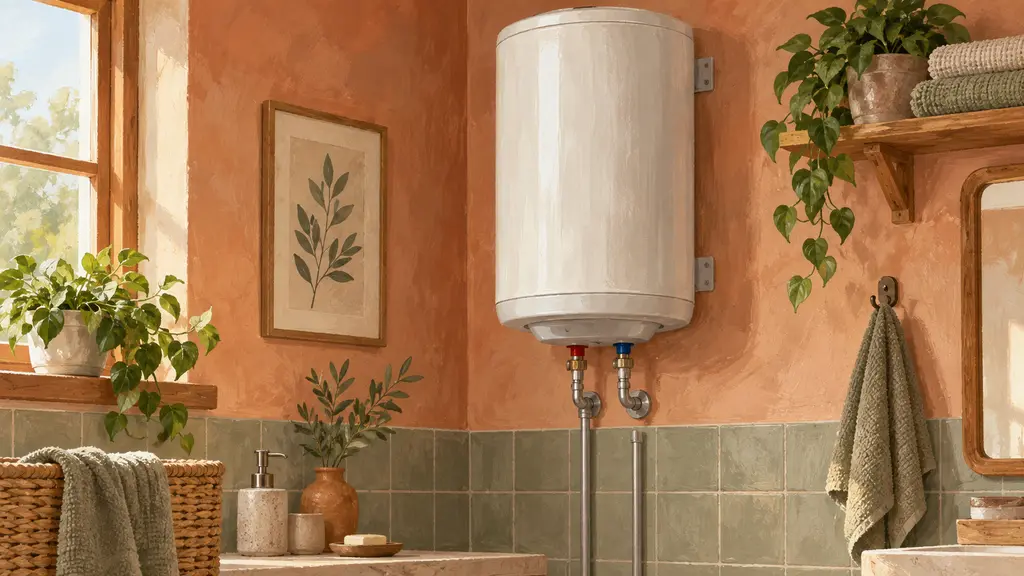
An electric storage water heater typically lasts 8 to 12 years if it’s cared for, and an instant tankless heater can reach 15 to 20 years because it has no tank to corrode. Actual lifespan depends on your local water quality, usage, and maintenance. The key is knowing the warning signs before it fails suddenly while you’re in the shower.
Quick answer
A storage water heater lasts 8 to 12 years, and an instant tankless heater can reach 15 to 20 years. The signs it’s nearing the end: rust-colored water, a rumbling or popping noise from inside the tank, and any dripping around the base or valve. If your heater has passed 10 years and shows one of these signs, plan for replacement instead of waiting for it to fail completely.
Key takeaways
- An electric storage heater lasts 8 to 12 years on average, because the tank wall stays in constant contact with water, which speeds up corrosion (background on water heating systems from ENERGY STAR).
- Rust-colored or light brown water is the clearest sign the inside of the tank has started to corrode.
- A rumbling or popping noise means sediment and mineral deposits have built up at the bottom of the tank, putting extra strain on the heating element.
- Any dripping around the base or the valve is a warning sign, and if ignored can turn into a sudden full leak.
- An instant tankless heater usually lasts longer, because it has no water tank exposed to long-term corrosion (definition of the instant heater and how it works from ENERGY STAR).
Why does a water heater have a limited life at all?
A storage water heater stays full of water at all times, even when it’s not actively heating, which means the inside wall of the tank is in constant contact with water around the clock. Over time, the water contributes to corrosion of the tank’s inner lining, and the minerals dissolved in it settle at the bottom as sediment, forming an insulating layer that forces the heating element to work harder to reach the same temperature. That extra strain shortens the heating element’s life and speeds up corrosion of the tank itself, eventually reaching the point of a leak.
Signs your water heater is nearing the end of its life
- Rust-colored or light brown water, especially in the first minute or two after you turn on the hot tap.
- A rumbling, popping, or knocking noise from inside the tank while it heats, which is the sound of sediment built up at the bottom.
- Hot water taking longer to arrive, or its temperature becoming less consistent than before.
- Dripping or moisture around the base of the unit or the safety valve, even if it seems minor.
- The age of the unit itself: past 10 years, the risk of sudden failure rises even if it still seems to work fine on the surface.
Storage vs instant: which one lasts longer?
This table sums up the expected lifespan difference by type:
| Type | Expected lifespan | Main cause of failure |
|---|---|---|
| Electric storage heater | 8 to 12 years | Rust and corrosion of the tank wall from the inside |
| Instant tankless heater (electric) | 15 to 20 years | No tank to corrode, but electronic parts are pricier to replace |
| Gas storage heater | 8 to 10 years | Same corrosion issue, plus the added effect of combustion on lifespan |
When to repair versus when to replace entirely
If the fault is in a separate part like the thermostat, the heating element, or the safety valve, that’s usually a simple repair and doesn’t mean replacing the whole heater. But if rust shows up in the water or you see a leak from the tank body itself, there’s no real fix in that case, because the tank is a sealed, single-piece unit with no way to open and repair it from the inside. At that point, replacing it with a new heater is the only safe option, and delaying after a leak appears only raises the odds of it bursting suddenly and causing damage in the bathroom.
If you’ve decided to replace it
If your heater is nearing the end and you’ve decided to replace it, the Fresh Relax 50L is a trusted entry point: a 50L capacity that suits most families for normal showering, an easy install needing only power and water with no gas line, and it’s the bestseller with hundreds of positive reviews on the local store. We didn’t pick it for being the cheapest, we picked it because the balance of capacity, price, and trust makes sense, which is why it tops our guide to the best electric water heater in Egypt.
See the Fresh Relax 50L price on Amazon Egypt ↗
Bottom line
A storage water heater lasts 8 to 12 years, and an instant tankless heater can reach 15 to 20 years. Watch for the end-of-life signs: rust-colored water, an odd noise from inside the tank, and dripping around the base. If the fault is a small part, repair is usually possible, but rust or a leak from the tank itself means full replacement. If you’re still deciding whether a water heater is worth buying at all, read is a water heater worth it?, or if your budget is tight, see best budget water heater. If you’re thinking of switching fuel type when you replace it, compare in gas vs electric water heater. To pick the right size and model from the start, read our how to choose a water heater guide or browse all the options in our water heaters section.
Sources
- ENERGY STAR, “Residential water heater types”, general background on domestic water heating systems and their types: https://www.energystar.gov/products/water_heaters/residential_water_heaters_key_product_criteria
This analysis is based on published information from ENERGY STAR (Residential water heater types), ENERGY STAR (Instantaneous water heaters).
Frequently asked questions
How long does an electric water heater actually last?
An electric storage water heater typically lasts 8 to 12 years if it's cared for, and this varies with your local water quality and how heavily you use it. Water with a lot of minerals and sediment shortens that lifespan, since the buildup puts more strain on the heating element and speeds up internal tank corrosion over time.
What are the signs a water heater is nearing the end of its life?
The clearest sign is hot water coming out rust colored or light brown, which means the inside of the tank has started to corrode. A rumbling or popping noise from inside the tank points to sediment buildup at the bottom, and any dripping or moisture around the base or the valve is a warning that needs quick attention.
Can I repair a water heater or do I need to replace the whole unit?
It depends on the fault. The thermostat, heating element, and valve are ordinary parts that can be swapped without replacing the whole heater. But if the problem is rust or a leak from the tank body itself, there is no real repair, since the tank is a sealed, single-piece unit, and replacement becomes the only option.
Does regular maintenance actually extend a water heater's life?
Yes. Periodically draining the tank to clear sediment and checking the valve reduces strain on the heating element and slows internal corrosion. Neglecting this noticeably shortens the expected lifespan, especially in areas with hard water.
Does an instant tankless heater last longer than a storage one?
Usually yes, because an instant heater has no water tank exposed to rust and mineral buildup over the long term, so it tends to reach a longer service life. On the other hand, if its electronic components fail, replacement parts are generally pricier than those for a standard storage heater.