
 UAE
UAE  Saudi Arabia
  USA
USA What to Look for Before Buying a Microwave
We may earn a commission from purchases through our links, at no extra cost to you. How we choose · Disclosure.
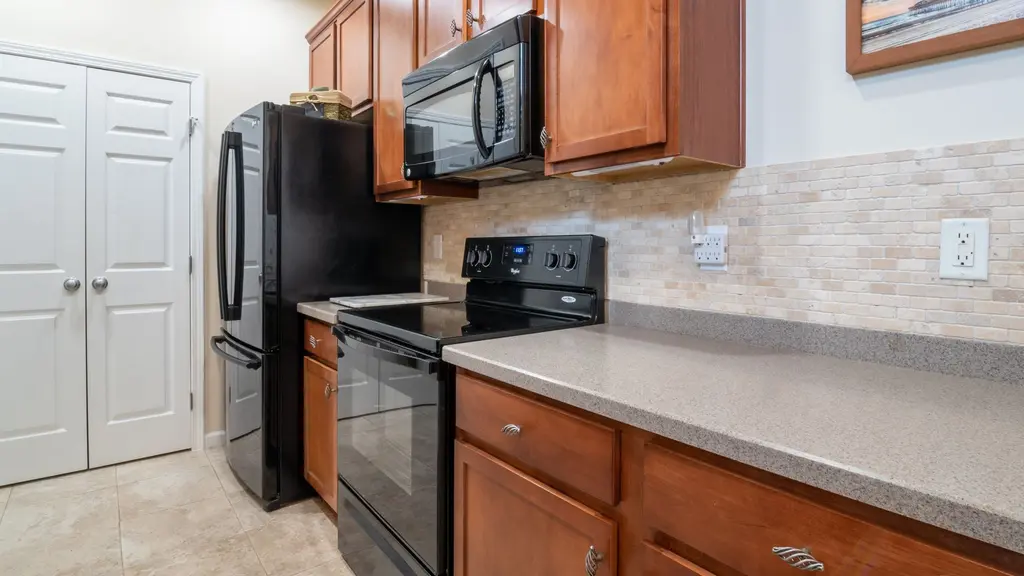
Before you buy a microwave, check just five things: the capacity in litres fits your home, the wattage matches the heating speed you want, solo or grill depending on whether you brown food, mechanical or digital depending on your comfort with controls, and a known brand with available service. Get clear answers on these five and you’ll buy right the first time.
The quick answer
Before you decide, answer five questions: how many litres do you need? What wattage? Solo or grill? Mechanical or digital? And where’s the brand’s service available? Once you have a clear answer to each, any microwave that checks those boxes is the right pick, regardless of price.
Key points
- Capacity is the first call you make, because it determines the size of the unit itself and whether it can handle your dishes (microwave oven definition from US FDA).
- Wattage determines heating speed, not quality: 700W is enough for normal use, while 900W to 1,200W is faster with bigger dishes.
- A solo heats, warms, and defrosts only, while a grill adds real browning for a clear price premium.
- Mechanical dials are simpler and break down less, digital gives you finer timing and a more modern look.
- The brand and its service matter more than the price gap itself, especially a year or two into using it.
Capacity in litres: lock this number down first
Capacity is the first call because it determines the size of the unit outside and what dish can fit inside. 20L covers one or two people and a normal plate, 25L is the most popular size for a small family and takes a wider dish, and 36L to 42L suits big families and party trays. Keep in mind that a bigger capacity means a bigger unit outside, so measure your counter spot before you decide.
Wattage: heating speed, not quality
Wattage isn’t a quality measure, it’s a speed measure. 700W models heat a bit slower and need extra seconds on every run, while the 900W to 1,200W tier is faster and more even, especially with larger portions. The difference won’t change your life on a mug of milk, but it shows on big dishes and defrosting.
Solo or grill?
A solo heats, warms, and defrosts, and that covers most daily use. A grill adds a top heating element that browns the surface, so chicken, toast, and gratins pick up colour and crunch instead of just silent heating. If your use is reheating food, warming milk, and defrosting, save your money and get a good solo. If you want browning without firing up the big oven, the grill earns its keep. We break the full comparison down in solo vs grill microwave.
Mechanical or digital?
Mechanical means turning dials: simpler, cheaper, with fewer parts, so it usually breaks down less, and it suits anyone who wants heating with zero thinking. Digital means a display and buttons: more precise timing and ready-made auto menus, with a more modern look in the kitchen. Both heat just as well, so it comes down to your taste in controls and the price gap.
The table: five things that matter before you buy
| Criterion | Why it matters | Quick rule |
|---|---|---|
| Capacity in litres | Determines the unit size and the dish it fits | 20L for one or two, 25L for a small family |
| Wattage | Determines heating speed | 700W for normal use, 900W+ for bigger dishes |
| Solo or grill | Whether it browns or not | Solo for reheating only, grill if you brown regularly |
| Mechanical or digital | The control method | Mechanical is simpler, digital is more precise |
| Brand and ratings | Service and lifespan | A brand with available service and plenty of ratings |
Brand and ratings: more important than the price itself
A cheaper model from an unfamiliar brand isn’t always a good deal, because service and spare parts become hard to find if something goes wrong. Always check the rating count and average on the store, and lean toward brands with widespread service in Egypt.
An example that checks every box on the list
If you want a practical example that hits all five points at once: the LG MH8265DIS at 42L and 1,200W with Smart Inverter tech and a built-in grill, and the most-reviewed model among our picks with over 715 ratings. We didn’t pick it for being the cheapest; we picked it because it settles all five questions in one unit, and it’s our top pick in our guide to the best microwave in Egypt.
See the LG MH8265DIS price on Amazon ↗
Bottom line
Before you buy a microwave, answer five questions: how many litres, what wattage, solo or grill, mechanical or digital, and where’s the brand’s service. Those answers settle the decision without regret later. If your budget is tight, read best budget microwave: is a cheap one good enough, and if you’re torn between solo and grill in detail, read solo vs grill microwave. For every detail and the full criteria, read our how to choose a microwave guide, or browse our microwaves section.
Sources
- US FDA, “Microwave ovens”, the basic operating principle of a microwave: https://www.fda.gov/radiation-emitting-products/resources-you-radiation-emitting-products/microwave-ovens
This analysis is based on published information from US FDA (Microwave ovens).
Frequently asked questions
Is a 20L microwave enough?
Enough for one or two people and normal plates. If your household is bigger or you regularly reheat wider dishes, 25L will feel more comfortable.
What wattage should a microwave be?
700W is enough for normal daily use. If you reheat big dishes or defrost often, the 900W to 1,200W tier is faster and more even.
What's the single most important thing to check in a microwave?
The right capacity for your household size comes first, then the brand and its service. The rest (grill, digital) are extras based on your use, not essentials.
Is a digital microwave better than a mechanical one?
Not better at heating itself, both heat just as well. Digital gives you finer timing and ready-made menus, while mechanical is simpler and breaks down less. It's a matter of taste in controls, not performance.