
 UAE
UAE  Saudi Arabia
  USA
USA Is a Cheap Blender Good Enough? The Honest Answer
We may earn a commission from purchases through our links, at no extra cost to you. How we choose · Disclosure.
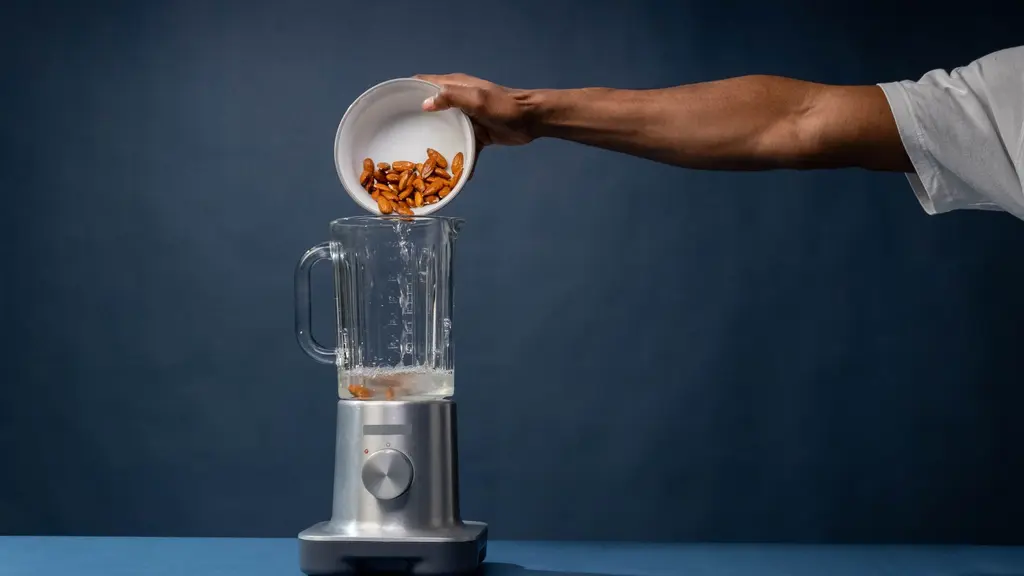
Is a cheap blender good enough? The honest answer: it’s fine if your use is light and occasional, but it strains quickly if your use is daily and varied, like crushing ice or grinding frozen fruit. Not every cheap blender is bad, but there’s a real difference between “cheap that’s enough” and “cheap that disappoints you within months”. Let’s pin down when cheap is genuinely enough, and when you need to spend a little more.
The quick answer
A cheap blender is good enough if your use is light: thin juices and simple smoothies now and then. If your use is daily, or you need ice crushing and frozen fruit grinding regularly, the very-economy tier strains quickly and you’ll end up buying another one after a short stretch. The price gap between very-cheap and the value tier is usually small next to a longer lifespan and real functions.
Key points
- A blender is built for liquids, and the motor and blade design are what actually determine how much it can take (blender definition from Britannica).
- The very-economy tier has a simpler motor and parts, so it handles less strain before it starts to struggle under repeated use.
- Some very cheap appliances are effectively built for a short lifespan, or at least specced without long-term use in mind, a known concept in appliance manufacturing (planned obsolescence background from FTC).
- The watt number alone isn’t the deciding factor, read the blender watts myth to see why.
- The value tier (500W with ice crush) solves the problem for a modest price increase over the very-economy tier.
When is a cheap blender genuinely enough?
If your use is limited, cheap is a perfectly good fit: thin juices, a simple smoothie with milk or water, occasional rather than daily use, and a small kitchen that doesn’t need high power. In that case, paying more for a higher tier won’t matter in practice, because you won’t use the extra functions anyway.
When will a cheap blender disappoint you?
The problem shows up when your use is daily and varied: crushing ice regularly, grinding frozen fruit, or blending large family batches every day. That’s when the weak motor and simple blade start to strain, and the result is a strange noise, uneven blending, and eventually a failure within months instead of years.
Very-economy tier versus value tier
| Feature | Very-economy tier | Value tier |
|---|---|---|
| Typical power | Around 250-300W | 500W and up |
| Ice crushing | Usually missing or weak | Stated, real function |
| Speeds | One or two | Multiple, for texture control |
| Extras | Rare | Grinder and chopper, often included |
| Best for | Light, occasional use | Daily, varied use |
The practical pick: if your use really is light
If you’ve read the points above and your use genuinely is light (juice, sauce, a simple smoothie), the Fresh Jumbo (1.5L jug, 360W, two mills per the listing) is the cheapest pick we currently verify at ≈ 980 EGP, with 289 ratings averaging 4.0 of 5, the biggest rating base in our budget tier, so the signal rests on volume rather than a handful of opinions.
And plainly: this is exactly the option whose limits this article is about. At 4.0 of 5 the signal is positive rather than excellent, and 360W is not built for frequent ice crushing or heavy blending. So if your use leans toward the daily, varied category, the step that solves the problem isn’t this pick, it’s the 600W-and-above tier in our guide to the best blender in Egypt. You’ll find its current price and the Amazon link in the card below.
Bottom line
A cheap blender is good enough if your use is light and occasional, but if your use is daily and varied, the very-economy tier will disappoint you within a short stretch. The price gap between a budget pick like the Fresh Jumbo and the value tier is usually small next to a longer lifespan and real functions like ice crushing. If you want to know the actual cheapest good option, read the cheapest good blender in Egypt, and if you’re unsure about the right size for your home, read what size blender do you need?. For the full breakdown, see the how to choose a blender guide or browse our blenders section.
Sources
- Britannica, “Blender”, definition of the electric blender and how motor and blade design determine durability: https://www.britannica.com/dictionary/blender
- FTC, “Repair restrictions report”, background on the concept of intentionally short product lifespans in appliance manufacturing: https://www.ftc.gov/reports/nixing-fix-ftc-report-congress-repair-restrictions
This analysis is based on published information from Britannica (Blender), FTC (Repair restrictions report).
Frequently asked questions
Is a cheap blender good enough for daily use?
It's fine if your use is light: thin juices and a simple smoothie with milk or water now and then. If your use is daily and varied (ice crush, frozen fruit, grinding nuts), the very-economy tier strains quickly and you'll end up replacing it within months.
Does a cheap blender break quickly?
Not all cheap blenders fail fast, but the very-economy tier has a weaker motor and simpler blades and parts, so it handles less strain before it starts to struggle. Used moderately it can last; pushed past its limits daily, the failure risk climbs.
What's the real difference between a cheap blender and a slightly pricier one?
The difference isn't just price, it's a real ice-crush function, more speeds, better blade and motor quality, and available spare parts and warranty. A slightly pricier value-tier blender gives you all of that for a modest price increase.
Should I buy cheap and replace it if it breaks, or pay more upfront?
If the price gap is small, paying for the value tier upfront is usually the better deal: it saves you the cost of replacing a blender within months, and you get functions like ice crush from day one. Repeated cheap purchases end up costing more over the long run.