
 UAE
UAE  Saudi Arabia
  USA
USA Blender Watts: Does a Bigger Number Mean Stronger Blending?
We may earn a commission from purchases through our links, at no extra cost to you. How we choose · Disclosure.
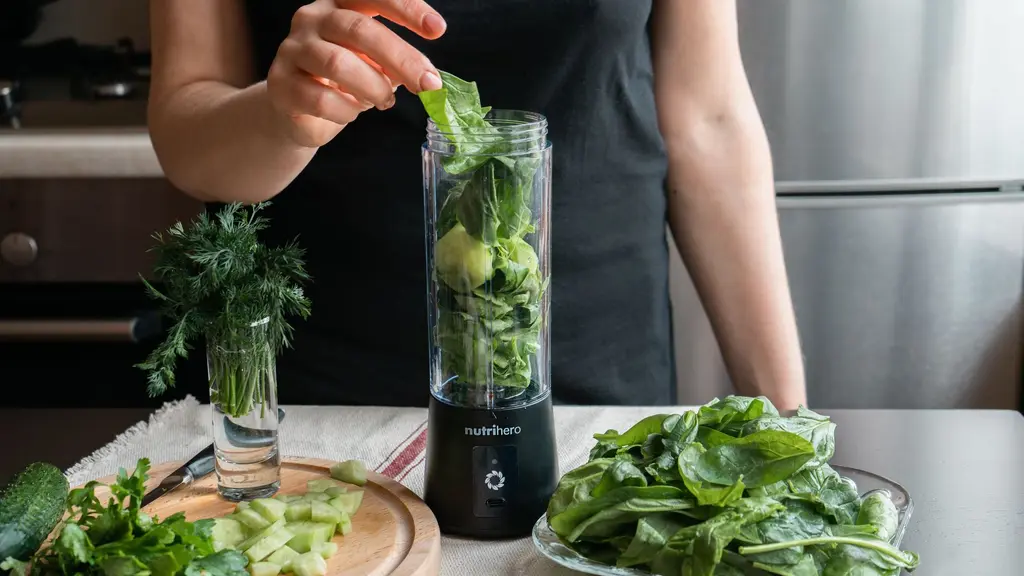
Buying a blender in Egypt usually starts with comparing one number: watts. The ad prints it in bold, the salesperson repeats it, and people assume that “more watts means more blending power.” The problem is that this isn’t accurate, and the things that actually decide blend quality are blade design, jug shape, and speed control, not the big number on its own. Let’s clear it up calmly.
The quick answer
Blender watts measure electricity use, not blending power. What actually decides the result is blade design, jug shape, and motor speed control. So a 700W blender with good blades and a well-shaped jug can blend smoother than a 1000W one with weak blades. Treat watts as a rough guide only, and focus on the real spec.
Key takeaways
- Watts (W) = the motor’s electricity draw, not blend quality. A motor can drink a lot of power yet be inefficient at turning it into actual blending.
- Blade design is the real hero of a blender. The number of blades, their angles, and their sharpness decide how finely the mix is chopped, and a blender works in the first place by the spinning blades creating a vortex that pulls ingredients down toward them, per the blender explanation from Britannica.
- The jug shape steers that vortex. A jug that narrows at the bottom with sides or small ridges keeps the mix circulating down onto the blades instead of spinning untouched at the top.
- Speed control and a pulse function give a better result. Multiple speeds and pulse let you control texture and crush ice in short bursts instead of running the motor continuously and overheating it.
- Know the blender type first. A jug blender is not the same as a handheld immersion blender you drop straight into the pot, per the immersion blender explanation from Britannica, and each type has its right place.
What do watts actually measure?
The wattage printed on the box describes how much electricity the motor pulls from the wall, not how smoothly it blends. Part of that electricity is lost as heat, noise, and friction, and the rest is what gets converted into the torque that spins the blade, with that ratio varying from motor to motor depending on efficiency and design.
That’s why a number like “1000W” in an ad tells you more about your electricity bill than about how smooth your smoothie comes out. A motor that drinks 1000W inefficiently with dull blades can deliver a coarser blend than a smaller, better-designed one.
The numbers and specs that actually matter
Instead of staring at the watt figure alone, compare these:
| Spec | What it affects | What to look for |
|---|---|---|
| Blade design | Blend smoothness and ice crushing | Number of blades, their angles and sharpness |
| Jug shape | Whether the mix drops onto the blades | Narrows at the bottom, sides that steer the vortex |
| Speeds and pulse | Control over texture | At least two speeds plus a pulse button |
| Jug material | Durability and hot drinks | Glass is tougher and stays clear, plastic is lighter and cheaper |
| Watts | Electricity use (rough guide) | Compare only within the same type |
Blade design is the most important element. A blender works by the blades creating a vortex that pulls ingredients from the top down toward them and chops them, so blades with thought-out angles and good sharpness deliver a smoother texture at the same wattage, per the blender explanation from Britannica. Dull or too-few blades leave you with unblended chunks no matter how big the number on the box.
And the jug shape is the blade’s partner in the job. A jug that narrows at the bottom with sides or light ridges breaks the spin of the mix and sends it back down onto the blades, so no part stays circling at the top untouched. That’s what makes blenders with identical wattage produce completely different results.
As for speed control, multiple speeds let you start slow so you don’t fling ingredients around, then ramp up to the texture you want, and the pulse function gives you short powerful bursts, ideal for crushing ice without running the motor continuously and overheating it.
An example that shows the idea: 700W can beat 1000W
Picture two blenders: one is 700W with a four-blade assembly set at thought-out angles, a jug that narrows at the bottom, three speeds, and pulse; the other is 1000W with two dull blades, a jug with smooth straight sides, and a single speed. On paper, the second is “stronger” by 300W. In practice, the first will deliver a smoother smoothie and crush ice better, because the blades and jug work properly and the ingredients drop onto the blades instead of spinning at the top. That doesn’t mean watts are pointless, it means they’re the last number to look at, not the first. Compare two models on watts alone and you can easily pick the wrong one.
So how do I choose in Egypt?
Because most blenders available locally print the watts clearly and stay quiet about the rest of the spec, treat watts as a rough guide only and go on to look at:
- Blade design (number and sharpness of blades) and a real ice-crush function if you make iced drinks.
- Jug shape and material: glass if you want durability and blend hot things, plastic if you want lighter and cheaper. Our glass vs plastic jug comparison breaks this down.
- The number of speeds and a pulse function for control over texture.
- Jug capacity suited to your household size, plus accessories like a grinder and chopper if you need them.
A practical example that the number isn’t the decider: our top pick for most homes is not the highest-wattage model on the list, it’s the Moulinex Super Smoothie LM207128 at 700W with a 2L jug and two attachments, rated 4.2 of 5 across 78 ratings as of August 2026. The same list carries models with higher wattage, and this one still tops our guide to the best blender in Egypt, because capacity, attachments, and the consensus of buyer reviews outweighed a bigger number on the box. Plainly: it costs more than the value pick in the same tier, and its jug is plastic rather than glass. You’ll find its current price and the Amazon link in the card below.
Read any blender in a minute
- Look at blade design and jug shape first, not the watt number.
- Make sure there are multiple speeds and a pulse function, plus a real ice-crush function if you need it.
- Pick the right jug material from glass vs plastic jug, and see how a blender crushes ice if that’s your use case.
- Work out whether a blender is even the right machine for you or whether you need a mixer, from blender vs mixer.
- If only the watts are listed, treat it as approximate and compare within the same type, and browse our blenders section.
For the full step-by-step details, head back to our guide on how to choose the right blender for your kitchen.
Sources
- Britannica, “Blender”, how a blender works and the role of the spinning blade and vortex in blending: https://www.britannica.com/dictionary/blender
This analysis is based on published information from Britannica (Blender).
Frequently asked questions
How many watts are enough in a blender?
There's no magic number, because watts measure electricity use, not actual blending power. For everyday juices, sauces, and light smoothies, 500W with a good blade design is plenty. If you crush ice often or grind nuts and dry ingredients, start from 700W and up, but look at the ice-crush function and blade design, not the number alone.
So is a 1000W blender stronger than a 700W one?
Not necessarily. Higher watts means higher electricity use, but real blending power depends on blade design, jug shape, motor efficiency, and speed control. A well-designed 700W blender with a jug that circulates the mix properly can deliver a smoother result than a 1000W one with weak blades.
If not watts, what matters most in a blender?
Blade design, jug shape, and speed control. Serrated blades set at thought-out angles pull the mix down and chop it finer, a jug that narrows at the bottom keeps everything passing over the blades instead of spinning at the top, and multiple speeds plus a pulse function give you control over texture. Those are what change the actual result.
Why do ads in Egypt focus on the watt number?
Because a big number is easy to understand and it sells, and it's far easier than explaining blade design or jug shape. But watts describe the electricity the motor draws, not the blend quality you'll get out, so treat the figure as a rough guide and look at the rest of the spec.