
 UAE
UAE  Saudi Arabia
  USA
USA Dishwasher Place Settings: What 10, 12, or 14 Holds
We may earn a commission from purchases through our links, at no extra cost to you. How we choose · Disclosure.
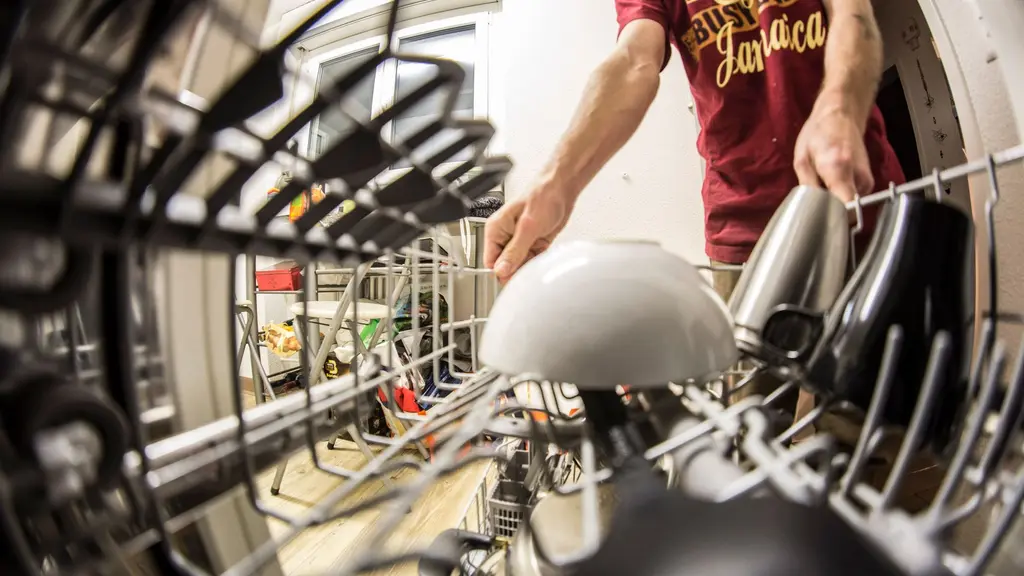
If you’ve looked at a dishwasher listing on Amazon.eg and seen “10 place settings” or “14 place settings” and wondered what that actually means for your kitchen, you’re not alone, it’s one of those spec numbers that sounds precise but doesn’t mean much until you translate it into real dishes and real people. Let’s untangle it before you shop the best dishwasher in Egypt.
The quick answer
A place setting is roughly one person’s full meal: a dinner plate, a side plate, a bowl, a glass, and cutlery. 10 place settings, like the Beko 45cm, comfortably covers one to three people. 12 to 14 place settings, like the A15 and the Beko 60cm, covers a family of four or more in one load (other full-size models on Amazon.eg simply don’t list a place-setting number). The bigger decision alongside the number is full-size versus countertop, since that determines whether you can even fit a bigger capacity into your kitchen, and it’s worth knowing upfront that Egypt’s dishwasher assortment is currently small, so the choice comes from a short, honest list rather than a huge market.
Key takeaways
- 10 place settings suits one to three people. A slim model like the Beko 45cm is sized for a smaller household’s daily dishes in one run, not a family’s dinner rush.
- 12 to 14 place settings suits a family of four or more. The A15 and Beko 60cm models are built to clear a full family meal’s worth of dishes in a single load, and other full-size models in this price range add more wash programs without stating a place-setting count.
- Countertop models trade capacity for zero plumbing work. The one countertop model on the market connects to a single tap, but it holds less than the full-size options.
- Pots and pans aren’t counted in the rating. The place-setting number covers plates, bowls, glasses, and cutlery, so a heavy cooking day with several pots will feel tighter than the number suggests.
- A couple of place settings of difference (12 versus 14) is a minor factor. Weigh price, wash programs, and buyer reviews more heavily than a small place-setting gap when comparing two full-size models.
What a place setting actually holds
Manufacturers rate dishwasher capacity using a standardized “place setting,” which represents one person’s tableware for a complete meal: a dinner plate, a smaller plate, a bowl, a drinking glass, and a full set of cutlery (fork, knife, spoons). It’s a useful, comparable number across brands, but it’s based on standard tableware, not on your actual dishes, which might be larger, smaller, or oddly shaped. So a “10 place setting” dishwasher like the Beko 45cm is rated to hold 10 people’s worth of that standard meal kit, which in real households usually stretches to cover one to three people across a full day of breakfast, lunch, and dinner dishes without needing a second load.
Cookware makes this less exact. Pots, pans, baking trays, and mixing bowls aren’t part of the place-setting rating, and they take up real rack space. If your household cooks elaborate meals with several pots and pans per dinner, expect the practical capacity to run a bit under the rated number on the heaviest cooking days.
10 place settings: who it’s actually right for
A 10-place-setting dishwasher, the category the Beko 45cm belongs to, is right for one to three people who want their day’s dishes cleared in one load. Its slim 45cm body also makes it a fit for kitchens where a full 60cm unit simply won’t fit. The honest limit: once you’re regularly cooking and eating as a family of four or more, 10 place settings starts meaning two loads a day rather than one, which is where the appeal of the 12 to 14-place tier comes in.
See the Beko 45cm 10-Place price on Amazon.eg ↗
12 to 14 place settings: the family tier
Once you’re sizing for a family of four or more eating together regularly, 12 to 14 place settings, like the A15 60cm 12-Place or the Beko 60cm and Midea IonDish at 14, is built for exactly that: clear a full family dinner’s worth of plates, bowls, and glasses in one load instead of running the machine twice. A couple of other full-size models in this range, like the Toshiba DW-13F8 and Midea WQP13-5201C, add a sixth wash program instead but don’t state a place-setting count on their product pages. The gap between 12 and 14 place settings on its own is a minor factor, so weigh it against price, wash program count, and each model’s consensus of buyer reviews rather than treating a couple of extra place settings as the deciding factor.
Full-size vs countertop: the decision behind the number
The place-setting count and the full-size-versus-countertop decision are really the same question asked two ways. The countertop model on Amazon.eg tops out at a smaller capacity than any full-size unit on our list, because the format itself is designed to sit on your counter and connect to a single tap, not to house a full-size wash drum. Full-size dishwashers, which need a real plumbing connection, are where the 10-to-14 place-setting range lives. So the real first decision isn’t “how many place settings,” it’s “can I commit to a plumbing connection, or do I need something that just plugs into my existing kitchen setup.” Once you answer that, the place-setting range you’re choosing from narrows on its own.
So which size should you actually buy?
If it’s one to three people and you’d rather keep your kitchen plumbing untouched, a 10-place-setting model like the Beko 45cm is the practical answer, and it’s also one of the cheapest options in the category on Amazon.eg right now. If you’re feeding a family of four or more and can commit to a proper install, a 12 to 14 place setting model saves you from running the dishwasher twice a day. We’ll also say plainly, since it matters here: the dishwasher assortment on Amazon.eg is limited right now, so these units represent the credible options currently listed, not a huge range to choose from. You can see the full breakdown, including prices, in our guide to the best dishwasher in Egypt and our how to choose a dishwasher guide.
Size it up in a minute
- Count how many people actually eat together most days, not the total household size if meals are staggered.
- One to three people: a 10-place-setting model, like the Beko 45cm, is genuinely enough for a full day’s dishes in one load.
- Four or more people: look at a 12 to 14 place setting model, and factor in whether you can commit to a plumbing connection.
- Kitchen plumbing genuinely off-limits: a countertop model is the lower-commitment option, even at a similar price to full-size units.
- See dishwasher prices in Egypt to check what each capacity actually costs before you decide, and remember all prices are approximate and change.
For everything in this category in one place, browse our dishwashers section.
This analysis is based on published information from Amazon.eg.
Frequently asked questions
What does a dishwasher place setting actually mean?
A place setting is roughly what one person eats a full meal off: a dinner plate, a smaller side plate, a bowl, a glass, and a set of cutlery. It's a standardized way manufacturers describe dishwasher capacity, so a 10-place-setting dishwasher is sized to wash a full meal's worth of dishes for 10 people, or several smaller loads for fewer people across a day. It's a useful shorthand, but pots, pans, and oddly shaped items eat into the theoretical capacity in real use.
Is 10 place settings enough for a family?
It depends on the family size. For one to three people, 10 place settings, like the Beko 45cm, is genuinely enough for a full day's dishes in one load. For a family of four or more eating together regularly, 10 place settings usually means running the dishwasher more than once a day or hand-washing the overflow, which is where a 12 to 14 place setting model starts to make more sense.
What's the difference between a 12 place and 14 place dishwasher?
In practical terms, not much: a couple of extra place settings is a modest capacity bump, not a different category of machine. The A15 sits at 12 place settings, and the Beko 60cm and Midea IonDish sit at 14 (some other full-size models on the market don't state a place-setting count on their product page at all). If you're choosing between them, the small place-setting gap is a minor factor next to the actual differences: price, wash program count, and the consensus of buyer reviews behind each one.
Do pots and pans count as a place setting?
Not directly. The place-setting rating is based on standard tableware (plates, bowls, glasses, cutlery), not cookware. Pots, pans, and baking trays take up real space in the racks and reduce how many actual place settings' worth of dishes you can fit alongside them. If you cook elaborate meals with several pots per dinner, expect the real-world capacity to run a bit under the rated place-setting count on a heavy cooking day.