
 UAE
UAE  Saudi Arabia
  USA
USA Why a Dishwasher Smells Bad and How to Fix It
We may earn a commission from purchases through our links, at no extra cost to you. How we choose · Disclosure.
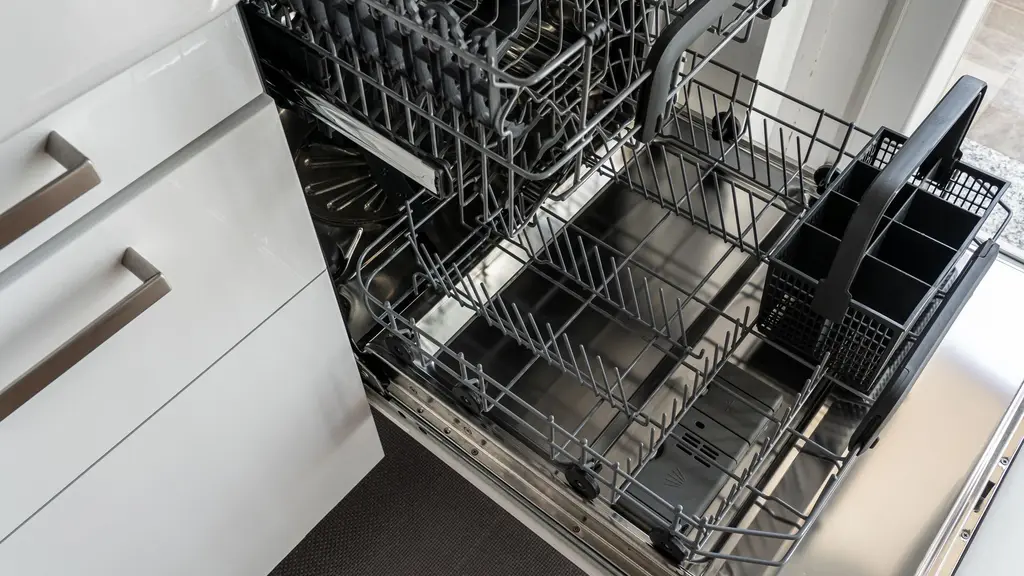
If your dishwasher smells bad even though it finishes every cycle normally, the cause is almost certainly not a fault in the machine: a bottom filter clogged with food residue, limescale buildup on the spray arm and heating element, or standing water trapped under the door seal. The fix is usually a half hour of cleaning, no parts or repair technician needed.
The quick answer
A bad dishwasher smell is usually caused by a clogged bottom filter, limescale buildup, or standing water trapped under the door seal. Remove the filter and rinse it under running water, wipe the door seal with a cloth, and run an empty cycle with white vinegar on the hottest setting. If the smell comes back quickly, check the drain hose for a partial blockage.
Never mix vinegar with bleach or any chlorine-based cleaner - the combination releases toxic gases. Use one cleaner at a time and rinse thoroughly between products.
Key points
- The bottom filter is the first place to check, because trapped food debris decomposes and produces a strong odor if it isn’t cleaned (how a dishwasher works, from Britannica).
- Limescale from hard water creates an environment where odor thrives, because it roughens the interior tub surface, making it easier for residue to cling (background on hard water, from USGS).
- The rubber door seal traps standing water, which is an ideal environment for mold and a musty smell.
- A partially blocked drain hose sends dirty water back into the unit, a less common cause but one that produces a particularly strong smell.
- A monthly vinegar cycle dissolves buildup and reduces how often the problem returns, but it’s not a substitute for regularly cleaning the filter.
Step-by-step: check and fix
- Remove the bottom filter and rinse it under running water with a soft brush, checking for trapped food debris in the mesh.
- Wipe the rubber door seal with a cloth, focusing on the lower fold where water tends to collect.
- Run an empty cycle with white vinegar on the hottest setting; this dissolves limescale and clears out old soap smells.
- Check the drain hose for a partial blockage if the smell comes back quickly despite every step above.
- Leave the door slightly open after each cycle instead of closing it right away, so trapped moisture can evaporate instead of sitting inside.
Hard water and limescale: why they make the smell worse
In areas with hard water, limescale builds up on the spray arm, heating element, and interior tub walls faster. That buildup doesn’t just reduce spray efficiency, it also roughens the surface slightly, making it easier for food and soap residue to cling compared to a smooth surface, which extends how long the smell lingers even after cleaning. If your water is hard, a monthly vinegar cycle plus dedicated dishwasher salt (if your model has a compartment for it) reduces the buildup at the source.
Do and don’t when the smell keeps coming back
| Situation | Do | Don’t |
|---|---|---|
| Dirty filter | Remove and rinse under running water | Leave it unchecked for months |
| Standing water on the door seal | Wipe with a cloth after every cycle | Close the door right away while it’s still wet |
| Limescale buildup | Monthly vinegar cycle on high heat | Let it accumulate with no intervention |
| Smell returns very quickly | Check the drain hose for blockage | Assume it’s automatically a machine fault |
| Between deep cleans | A dedicated deep dishwasher cleaner as an add-on | An air freshener inside the dishwasher instead of cleaning |
Deep dishwasher cleaner: an add-on after checking, not the first step
If you’ve done the steps above and the smell has improved but not fully gone, a dedicated deep dishwasher cleaner can help as an add-on after the manual checks and cleaning, especially in hard water areas. The key distinction: it complements the cleaning, it doesn’t mask the cause. If you use one before checking the filter and door seal first, the smell will come back quickly because its real source is still there.
The dishwasher that reduces smell problems from the start
Part of avoiding odor problems from day one is choosing a model whose filter and door seal are easy to reach at cleaning time. The Beko 45cm 10-Place has an easily removable filter and parts, backed by dozens of buyer reviews, and it tops our guide to the best dishwasher in Egypt.
When to stop and call a technician
- A strong smell returns quickly after the filter and door seal are cleaned.
- Dirty water comes back into the dishwasher after a cycle.
- Water remains trapped after you have checked the accessible filter and drain hose.
- The smell persists after the full cleaning routine and an empty vinegar cycle.
Stop using the dishwasher and have it checked by a qualified technician before using it again.
Bottom line
A bad dishwasher smell isn’t usually a permanent fault, it’s typically a filter, door seal, or limescale problem that needs cleaning. Check the filter first, wipe the door seal, and run a monthly vinegar cycle. For the full cleaning routine in detail, read how to clean a dishwasher, and if you’re still choosing the right detergent see best dishwasher detergent. If you’re at the buying stage, read best dishwasher to buy in Egypt or our how to choose a dishwasher guide, and to browse all the options see dishwashers in Egypt.
Sources
- Britannica, “Home appliance (dishwashers)”, how a dishwasher works, its filter, and spray arm mechanism: https://www.britannica.com/technology/home-appliance
- USGS, “Hardness of water”, background on hard water and limescale buildup in household appliances: https://www.usgs.gov/water-science-school/science/hardness-water
This analysis is based on published information from Britannica (Home appliance (dishwashers)), USGS (Hardness of water).
Frequently asked questions
My dishwasher smells bad even though it washes fine, what's causing it?
The most likely cause is a clogged bottom filter, limescale buildup on the spray arm or heating element, or standing water trapped under the door seal, not a fault with the wash cycle itself. Cleaning these three areas resolves most cases.
How do I get rid of dishwasher smell quickly?
Remove and rinse the bottom filter, wipe the rubber door seal with a cloth, and run an empty cycle with white vinegar on the hottest setting. Most smells clear up within one cleaning session done this way.
Does standing water under the door cause the smell?
Yes, standing water trapped in the fold of the rubber door seal is an ideal environment for mold and a musty odor. Wiping it dry after each cycle and leaving the door slightly open afterward prevents moisture from sitting inside.
Are deep-clean dishwasher products worth buying?
A deep dishwasher cleaner is a useful add-on after the manual checks, especially in hard water areas. But it isn't a substitute for checking the filter and door seal first, since the smell will return quickly if its real source hasn't been cleaned.