
 UAE
UAE  Saudi Arabia
  USA
USA Microwave Not Working in Egypt? Checks and Repair Decisions
We may earn a commission from purchases through our links, at no extra cost to you. How we choose · Disclosure.
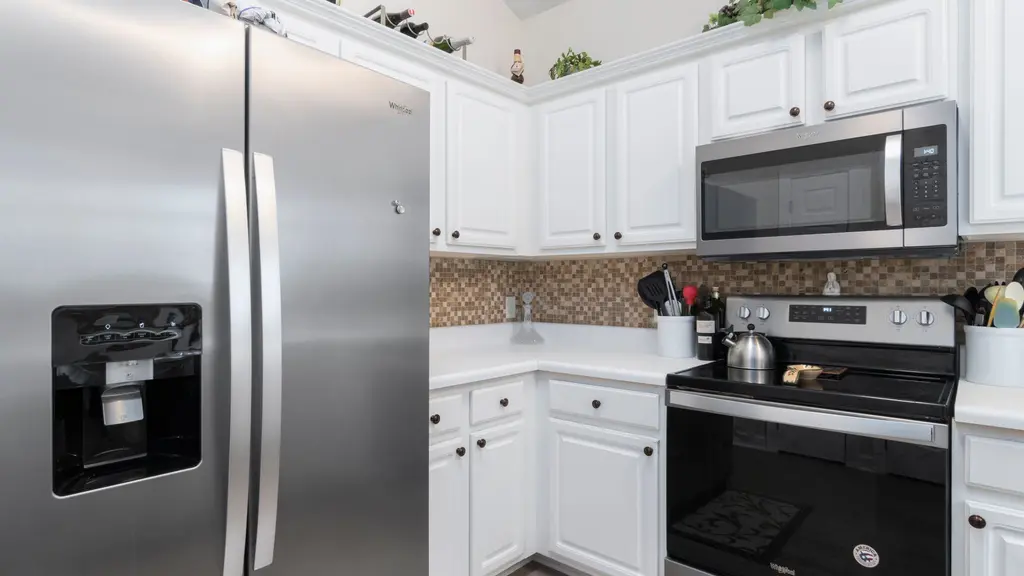
A microwave that suddenly stops working can feel confusing, but most failures fall into one of three simple categories: a power or door problem, a fault in the heating component itself (the magnetron), or a minor mechanical issue like the turntable. Check the basics first, since a large share of cases have a free, quick fix, then weigh whether repairing is worth it or it’s time to replace the unit.
The quick answer
Before anything else, check the outlet and the breaker, and make sure the microwave door is closing fully, since the door switch is one of the most common reasons a microwave stops working completely. If it turns on and the turntable spins but the food stays cold, the fault is usually the magnetron or the high-voltage diode, and that’s a relatively costly repair that may not be worth it on an older unit. Heard a strange noise or seen a spark? Unplug it immediately and don’t try to open it yourself. The practical rule: if the repair cost gets close to the price of a budget new microwave, or your unit is over seven years old, replacing it is usually the better value.
Key takeaways
- The door interlock switch is one of the most common causes of “microwave not working”, and the fix is usually a cheap part, not a whole new unit.
- A microwave runs on a component called the magnetron that converts electricity into the waves that heat food, so if it or the high-voltage diode feeding it fails, the unit still lights up and spins but stops heating (magnetron definition from Britannica).
- The high-voltage components inside a microwave can hold a dangerous charge even after it’s unplugged, so opening it up for internal repair is a job for a qualified technician, not a DIY project.
- A turntable that won’t spin is usually the roller ring or the small drive motor underneath it, and it’s one of the cheapest, easiest fixes around (background on microwave oven components from US FDA).
- Crackling or sparking inside the unit should stop you immediately, not something to shrug off and keep using.
- The older a microwave gets, the less economical sense a repair usually makes compared to the price of a new one.
First things first: check the power source
- Try a different outlet, or plug another device into the same outlet, to confirm the issue isn’t your home’s wiring.
- Check the breaker on your electrical panel, since microwaves draw a lot of current and can trip it without you noticing.
- Make sure the door is closing fully, because the safety switch inside the door needs to sense a completely closed door before it lets the unit run, and even a slight warp in the door or its hinge can stop the whole thing.
- Unplug the unit for a full minute and plug it back in, since the digital display sometimes freezes and resets fine with a simple power cycle.
It turns on but won’t heat: the magnetron and diode
If the microwave lights up and the turntable spins normally but the food stays cold, the problem isn’t power or the door, it’s the heating component itself. The magnetron generates the microwaves, fed by high voltage through a diode and a transformer. If any link in that chain fails, the unit keeps running outwardly (light, fan, turntable) while heating stops entirely.
This is an internal fault in a high-voltage component, so fixing it usually needs a qualified technician rather than a DIY attempt, and the cost is often close to the price of a budget new microwave. This is exactly where the repair-or-replace math below comes in.
The turntable won’t spin
A completely different and much cheaper issue: if the glass turntable won’t spin but heating works fine, the cause is usually the roller ring underneath it (dirty or warped) or the small drive motor that turns it. The fix is simple: remove the tray and ring and clean them thoroughly, and if the problem persists, the ring or motor are relatively cheap parts that are easy to replace compared to any magnetron fault.
Common faults and their causes
| Symptom | Likely cause | What to do |
|---|---|---|
| Completely dead, no light or sound | Outlet, breaker, or internal fuse | Check the outlet and breaker first |
| Turns on and spins but food stays cold | Magnetron or high-voltage diode | Weigh repair cost against a new unit |
| Stops mid-heat for no clear reason | Door switch or excess heat buildup | Check the door seal and unit ventilation |
| Spark or crackling inside the unit | Metal inside the cavity or scratched interior coating | Unplug immediately |
| Turntable won’t spin | Roller ring or drive motor | Clean or replace the ring |
| Panel or display unresponsive | Electronic freeze or a failed control switch | Unplug for a minute and restart |
If you’re dealing with recurring sparking or crackling, our microwave sparking article covers the causes and fixes in more detail.
Repair or replace?
This decision comes down to three things: warranty, repair cost, and the age of the unit.
- If it’s still under warranty, contact official service first, since repairs are often free or discounted during that period.
- If the warranty has expired, ask for the price of the part (especially for a magnetron fault) plus the technician’s fee, and compare it to the price of a budget new microwave. The cheapest microwaves on the market start under 4,000 EGP, so if the repair cost gets close to that, replacing it is usually the better value and comes with a fresh warranty too.
- If your unit is over seven years old, the odds that other parts fail soon go up, so it makes sense to treat a repair as a short-term patch rather than a long-term investment. Read more about typical lifespan in our microwave lifespan article.
If you decide to replace it
If the math points to replacing, from our picks: the LG MH8265DIS at 42L and 1,200W with Smart Inverter tech and a built-in grill is the most-reviewed model among our picks with over 715 ratings. We didn’t pick it for being the cheapest, we picked it because it settles the whole microwave question for years, which is why it’s our top pick in our guide to the best microwave in Egypt. If your budget is tighter, see budget alternatives in is a cheap microwave good enough?. Its current price and the Amazon link are in the card below.
See the LG MH8265DIS price on Amazon ↗
When to stop and call a technician
- You hear a spark or a strange noise.
- The microwave turns on but does not heat after the basic checks.
- The turntable still will not spin after it is reseated and checked for obstruction.
- The unit remains completely dead after the outlet, breaker, plug, and door checks.
Stop using the microwave and have it checked by a qualified technician before using it again.
Bottom line
Most cases of “microwave not working” start with a free check: the outlet, the breaker, and the door seal. If the unit turns on but won’t heat, think magnetron and high-voltage diode, and weigh the repair cost against a new unit before you decide. Heard a spark or a strange noise? Unplug it immediately, and never treat opening it up as a DIY project. If the math says replace, read our guide to the best microwave in Egypt or our how to choose a microwave guide before you commit, and browse all the options in our microwaves section.
Sources
- Britannica, “Magnetron”, definition of the magnetron and its role generating the microwaves that heat food: https://www.britannica.com/technology/magnetron
- US FDA, “Microwave ovens”, background on microwave oven components and how they work: https://www.fda.gov/radiation-emitting-products/resources-you-radiation-emitting-products/microwave-ovens
This analysis is based on published information from Britannica (Magnetron), US FDA (Microwave ovens).
Frequently asked questions
My microwave is completely dead, no light and no sound, what should I check?
Try a different outlet, or plug another device into the same outlet, to rule out a house wiring issue. Check the breaker on your electrical panel too, since microwaves draw a lot of current and can trip it without you noticing. If both check out, make sure the door is closing fully, because the door safety switch is one of the most common reasons a microwave stops working completely.
The microwave turns on and the turntable spins, but the food stays cold, why?
This usually points to the magnetron, the component that generates the microwaves, or the high-voltage diode that feeds it. The light and the turntable run on separate circuits, so they can keep working fine while heating stops entirely. This is a relatively costly internal repair, so weigh it against the price of a new unit before deciding.
I heard a spark or crackling sound inside the microwave, should I keep using it?
Stop and unplug it immediately. Sparking is usually caused by metal inside the cavity or a scratch in the interior wall coating, and continuing to use it can damage the unit further or become a safety risk. If sparking keeps happening even after you've confirmed there's no metal inside, our microwave sparking article covers the causes and fixes in more detail.
Should I repair my microwave or just buy a new one?
First check whether it's still under warranty, since official service is often free or discounted during that period. If the warranty has expired, compare the cost of the part (especially for a magnetron repair) and the technician's fee against the price of a budget new microwave. If the repair cost gets close to that, or your unit is over seven years old, replacing it is usually the better value.
How long should a microwave normally last before it starts breaking down?
It varies by usage and model, but units used heavily every day tend to show wear sooner than lightly used ones. If your microwave is near the end of its expected lifespan and starts failing, a repair is often a short-term patch rather than a long-term investment. Our article on microwave lifespan covers this in more detail.