
 UAE
UAE  Saudi Arabia
  USA
USA Microwave Sparking Causes and How to Fix Them
We may earn a commission from purchases through our links, at no extra cost to you. How we choose · Disclosure.
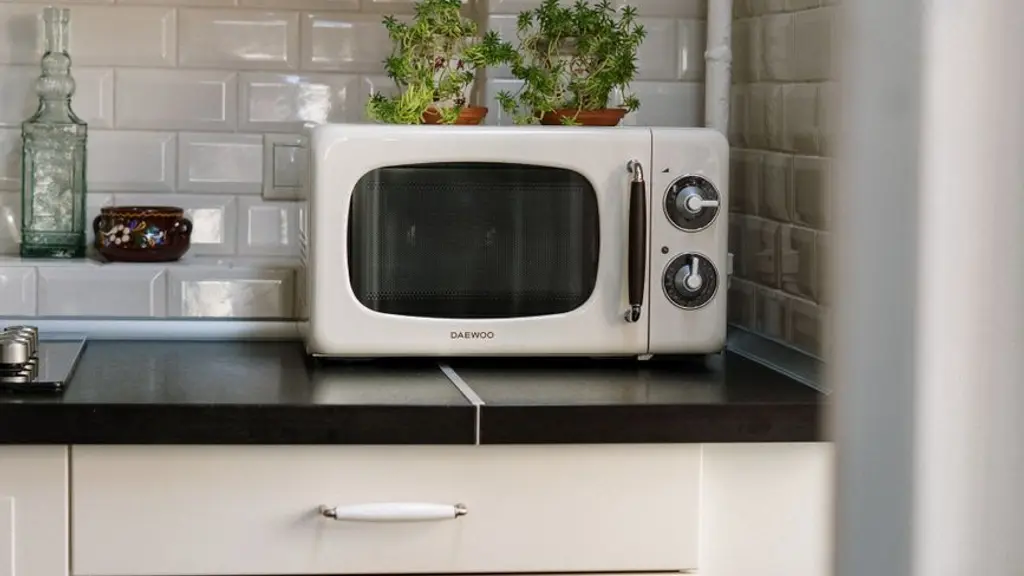
Microwave sparking, the short answer: the 3 most common causes are metal left inside the unit (a fork, foil, a plate with a gold rim), a mica cover over the wave opening that’s dirty or burned, or running the unit empty with no food or water inside. The fix is usually simple and something you can do yourself: remove any metal, clean or replace the mica cover, and never run the unit empty. If sparking continues after that, the problem runs deeper and needs a technician.
The quick answer
Sparking inside a microwave isn’t always a serious fault, and the most common causes are easy to fix yourself. The first cause: metal left inside the unit, even something small like a fork or a plate with a metallic rim. The second: the mica cover (the thin piece covering the generator opening) is dirty or burned from food residue. The third: running the unit empty with no food or water to absorb the waves. Remove the metal, clean the mica, never run it empty, and if sparking continues, the issue is deeper and needs a technician.
Key takeaways
- Metal inside the microwave is the most common cause of sparking, even a small piece like a fork or a plate with a thin gold line on the rim (background on the microwave oven from US FDA).
- The mica cover over the wave opening gets dirty and burns over time, which makes it conduct electricity unevenly and spark (background on mica from Britannica).
- Running the unit empty with no food or water is completely off-limits, since the waves have nothing to absorb and bounce back inside.
- A quick, minor spark usually clears up on its own once you remove the metal or clean the mica.
- Continuous sparking with an odd noise or a burning smell points to a deeper fault and means you should stop using the unit right away.
Cause one: metal left inside
The single most common cause of sparking, by far: metal inside the unit, even something small or seemingly harmless like a fork left on a plate, a piece of foil, or a plate with a gold or silver line on the rim. Metal reflects waves unevenly instead of absorbing them the way food and water do, and that’s what generates the sparks. The fix here is simple: open the unit, check the food and dish carefully, and remove any metal part before running it again. To learn about safe containers from the start, read microwave safe containers.
Cause two: a dirty or burned mica cover
The mica cover is a thin (clear or white) piece fitted on the side or ceiling of the microwave’s cavity, and its job is to cover the generator opening that emits the waves and protect it from food splatter and grease. With daily use, food and oil residue settle on it and carbonize (turn into a black, burnt layer) over time. That burnt layer conducts electricity unevenly, which causes repeated sparking even when there’s no metal nearby.
The fix comes in two steps. First, clean the cover with a damp, well-wrung cloth once the unit has cooled and is unplugged, gently and without hard scrubbing. If the buildup is light, cleaning solves the problem right away. If the cover is cracked or visibly burned and no longer looks intact, cleaning won’t be enough, and replacing it is the right call.
Cause three: running it empty
A basic rule many people don’t know: never run a microwave completely empty, not even without a cup of water. The waves need something in front of them to absorb, like the water in food, and if there’s nothing, the waves bounce back inside the metal cavity and can hit the generator itself and damage it, which also raises the chance of sparking. If you need to check that the unit powers on but have no food ready, put at least a cup of water inside before running it.
Quick table: cause and fix
| Cause | Sign | Fix |
|---|---|---|
| Metal left inside | Sparking appears near a specific metal item | Check and remove any metal before running |
| Dirty mica cover | Repeated sparking with no visible metal | Clean the cover with a damp cloth, or replace it if burned |
| Running it empty | Sparking with an odd noise during an empty run | Never run the unit empty |
| Generator or wiring fault | Continuous sparking with a burning smell after ruling out the other causes | Stop using it immediately and call a technician |
A replacement mica cover: a quick fix if it’s damaged
If you check the cover and find it’s genuinely burned or cracked, you don’t need to replace the whole unit. The mica cover is a simple spare part available in different sizes depending on your microwave model, and replacing it is something most people can do themselves without a technician. The key is making sure you get the right size cover for your unit before you buy a replacement.
If the unit has had its time
If you’ve tried all these fixes and the sparking still continues, or the unit itself is genuinely old, replacing it is sometimes the cheaper route. From our picks, the LG MH8265DIS at 42L and 1,200W with Smart Inverter tech is our top pick, and the most-reviewed model among our picks with over 715 ratings. We’re not recommending it just to fix a sparking issue, we’re recommending it as a trustworthy pick if an old unit genuinely needs replacing, and it tops our guide to the best microwave in Egypt.
See the LG MH8265DIS price on Amazon ↗
Bottom line
Sparking inside a microwave isn’t always dangerous, and its three most common causes (forgotten metal, a dirty mica cover, running it empty) are easy to diagnose and fix yourself in minutes. Remove any metal, clean the mica cover regularly or replace it if it’s burned, and never run the unit empty. If sparking continues after all that, the problem runs deeper and needs a technician or a replacement unit. To learn more about microwave safety in general, read is microwave food safe?, and to learn which containers won’t cause sparking in the first place, see microwave safe containers. If you’re still shopping for a new unit, read our guide on how to choose a microwave or browse our microwaves section.
Sources
- US FDA, “Microwave ovens”, background on how a microwave works and its internal components: https://www.fda.gov/radiation-emitting-products/resources-you-radiation-emitting-products/microwave-ovens
- Britannica, “Mica”, background on the mica material and its thermal and electrical uses: https://www.britannica.com/science/mica
This analysis is based on published information from US FDA (Microwave ovens), Britannica (Mica).
Frequently asked questions
My microwave sparks every time I run it, is that dangerous?
Repeated sparking isn't normal and shouldn't be ignored, but it isn't always an immediate danger. The most common cause is metal left inside the unit or a burned mica cover, both of which are easy fixes. If sparking continues after removing any metal and cleaning the mica, stop using the unit and check the warranty or call a technician.
What is the mica cover and why does it cause sparking?
The mica cover is a thin clear or white piece fitted inside the microwave that covers the opening where the generator emits waves. Over long use, food splatter and grease build up on it and carbonize (burn), and that burned layer conducts electricity unevenly, causing sparks. Cleaning it regularly prevents the problem, and replacing it is straightforward if it's fully damaged.
Can I run a microwave empty just to test it?
No, never. Running a microwave with nothing inside, not even a cup of water, leaves the waves with nothing to absorb, so they bounce back inside the cavity and can damage the generator itself or cause sparking. If you want to test the unit, put at least a cup of water inside first.
How do I tell a minor spark from a real fault?
A quick, minor spark that happens once or twice and stops the moment you remove the cause (metal or a dirty mica cover) is a simple issue you can fix yourself. If sparking is continuous, large, or paired with an odd noise or a burning smell, that points to a deeper fault in the generator or wiring, and you should stop using it immediately and call a technician.