
 UAE
UAE  Saudi Arabia
  USA
USA How to Get Rid of a Bad Water Heater Smell
We may earn a commission from purchases through our links, at no extra cost to you. How we choose · Disclosure.
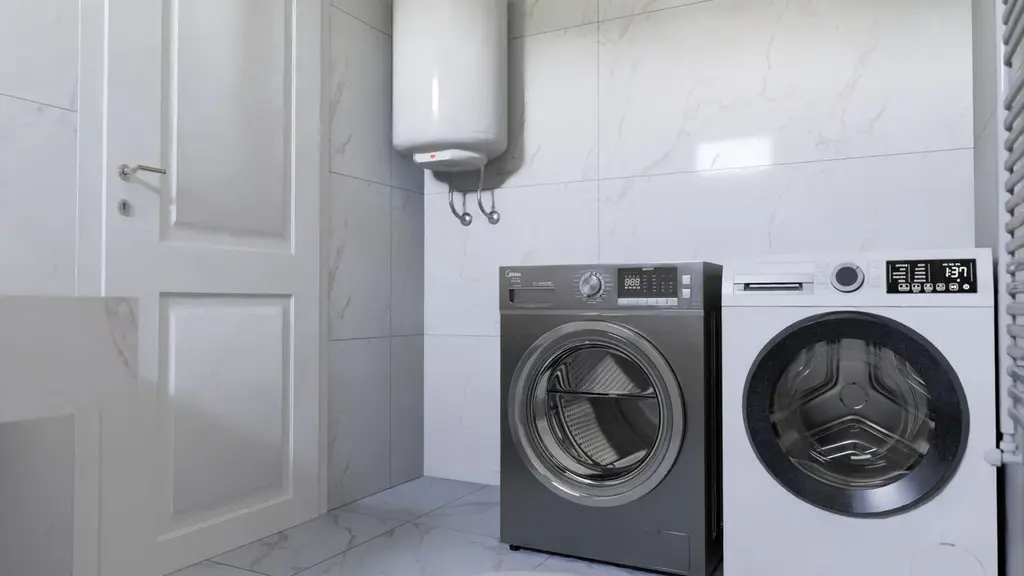
If your hot water smells like rotten eggs while the cold water is fine, the pattern can point to the water heater. Sulfate-reducing bacteria reacting with the magnesium anode rod are a common possible cause of hydrogen sulfide gas and its distinctive smell. Your checks end with running the hot taps to flush standing water and comparing the smell in hot and cold water. If the smell persists, call a technician for tank disinfection and internal diagnosis.
The quick answer
A rotten-egg smell only in hot water can come from bacteria reacting with the tank’s magnesium anode rod and producing hydrogen sulfide gas. Run the hot taps for a few minutes to flush standing water, then compare the hot and cold water smell. If it persists, call a technician to disinfect the tank and diagnose the anode rod.
Key takeaways
- Sulfate-reducing bacteria react with the magnesium in the anode rod and produce hydrogen sulfide gas, the source of the distinctive rotten-egg smell (background on hydrogen sulfide from CDC (ATSDR)).
- The magnesium anode rod exists specifically to protect the tank from rust, but it’s also what provides the environment for the smell-causing reaction (background on sacrificial anodes from Britannica).
- A smell only in hot water can point to the heater; if it’s in the cold water too, the water source or building tank is another possible source.
- Running the hot taps flushes standing water and helps you check the pattern without opening or draining the tank.
- A technician can disinfect the tank and assess the anode rod if the smell keeps recurring.
Why does hot water smell like rotten eggs?
Inside the heater’s tank sits a metal rod called the anode rod, commonly made of magnesium, whose job is to corrode itself instead of the tank’s metal. The environment around sediment at the bottom of the tank can support sulfate-reducing bacteria when the water carries dissolved sulfates. These bacteria can react chemically with the magnesium and produce hydrogen sulfide gas, the compound responsible for the distinctive rotten-egg smell you notice when you turn on the hot tap.
The pattern that helps separate this from another issue is a smell only in hot water while cold water from the same tap is smell-free. If the smell is present in both, the water source itself or the building’s rooftop tank is another possible source.
Is this smell dangerous?
At low concentrations from a reaction inside the heater, the smell can be more unpleasant than dangerous, and tank disinfection can resolve some cases. But there’s one important distinction to make: if you notice a strong sulfur or gas smell somewhere other than the water itself, such as in the air around a gas heater or in the kitchen, that’s a completely different situation that could be an actual gas leak. If you smell gas: do not switch anything on or off, do not light a flame, open the windows, close the gas supply if the valve is safely reachable, leave the area, and call your gas company’s emergency line.
Steps to fix the smell: from fastest to most thorough
Keep the reader steps to these visible checks:
- Run the hot water taps for a few minutes to flush standing water from the lines.
- Compare the smell in hot and cold water from the same tap to identify whether the pattern is limited to hot water.
- Call a qualified technician for tank disinfection if the rotten-egg smell persists. Heating the tank, draining it, adding chlorine or hydrogen peroxide, and replacing the anode rod are technician-only tasks.
Never mix vinegar with bleach or any chlorine-based cleaner - the combination releases toxic gases. Use one cleaner at a time and rinse thoroughly between products.
The water-heater element, thermostat, and sealed electrical parts are technician-only. Opening them risks electric shock and voids the warranty.
Replacing the anode rod if the smell keeps recurring
If the smell keeps coming back after technician disinfection, the magnesium anode rod is one possible cause to assess. A qualified technician can determine whether replacing it with a different type, such as an aluminum-zinc alloy rod, is suitable while preserving rust protection for the tank. This is an internal tank task, not a reader step.
Quick diagnosis table
| Symptom | Location | Likely cause |
|---|---|---|
| Rotten-egg smell in hot water only | Inside the heater | Bacterial reaction with the magnesium anode rod |
| Smell present in hot and cold water | Water source or building tank | A problem outside the heater itself |
| Gas smell in the air around the heater | Possible leak | Needs urgent technician inspection, not the same as a water smell |
| Smell returns after disinfecting and flushing | The anode rod | Needs replacing with a different type |
When to stop and call a technician
- The rotten-egg smell persists after flushing the hot taps.
- The water is discolored.
- The smell appears together with no hot water.
If you’re thinking about replacing the heater anyway
A low-maintenance heater like the Fresh Relax 50L can make technician servicing easier when its connections and valves are clearly accessible. It’s not a substitute for fixing the smell, but it may simplify regular professional upkeep if you’re already considering a new heater, and it’s the same heater that tops our guide to the best electric water heater in Egypt.
Bottom line
A rotten-egg smell only in hot water can come from bacteria reacting with the tank’s magnesium anode rod and producing hydrogen sulfide gas. Run the hot taps briefly, compare the smell in hot and cold water, and call a technician for tank disinfection if it persists. Heating, draining, chemical disinfection, and anode replacement are technician tasks. If you notice a gas smell in the air rather than just in the water, that’s a completely different matter and needs immediate technician inspection. For professional maintenance context, see how to clean a water heater and make it last longer, and if the heater has stopped heating entirely, see water heater not working: what to check first. If you’re considering a new heater, read our how to choose a water heater guide and browse our water heaters section for every option.
Sources
- CDC (ATSDR), “Hydrogen sulfide ToxFAQs”, background on hydrogen sulfide gas and the distinctive smell produced by sulfate-reducing bacteria: https://wwwn.cdc.gov/TSP/ToxFAQs/ToxFAQsDetails.aspx?faqid=388&toxid=67
- Britannica, “Corrosion and cathodic protection”, explanation of the sacrificial anode rod and its role protecting the tank from rust: https://www.britannica.com/science/corrosion
This analysis is based on published information from CDC (ATSDR) (Hydrogen sulfide ToxFAQs), Britannica (Corrosion and cathodic protection).
Frequently asked questions
Why does only the hot water smell bad while the cold water is fine?
If the smell is only in the hot water, the cause is almost certainly inside the heater itself: sulfate-reducing bacteria react with the tank's magnesium anode rod and produce hydrogen sulfide gas, which is what smells like rotten eggs. If the smell is in the cold water too, the problem is more likely the water source itself or the building's rooftop tank, not the heater.
Is this smell dangerous to health?
Usually not at the low concentrations coming from the heater, and the sulfur smell is more unpleasant than hazardous. But there's an important distinction: if you notice a strong sulfur or gas smell somewhere other than the water itself, like in the air around a gas heater, that's a completely different situation and you should confirm immediately it isn't an actual gas leak, not treat it the same as a water smell.
Which is better, chlorine disinfection or raising the temperature?
Raising the tank temperature to around 60°C and disinfecting it with chlorine or hydrogen peroxide are technician procedures. Your part is to run the hot water taps for a few minutes to flush standing water, then book a tank disinfection if the smell persists.
What should I replace the magnesium anode rod with if the smell keeps coming back?
Alternative anode rods exist, such as an aluminum-zinc alloy, that react far less with the bacteria causing the smell. This is the common fix if the smell keeps recurring despite regular cleaning. It's a part replacement inside the tank, not a whole new heater, and a technician should install it properly.
Does cleaning the heater stop the smell from coming back for good?
It reduces it significantly, since regular flushing removes the sediment bacteria live in. But if your water source naturally has high sulfate content, the smell can try to return over time, and in that case replacing the anode rod becomes the more lasting fix.