
 UAE
UAE  Saudi Arabia
  USA
USA Is a Baby Monitor Worth It in a Small Apartment?
We may earn a commission from purchases through our links, at no extra cost to you. How we choose · Disclosure.
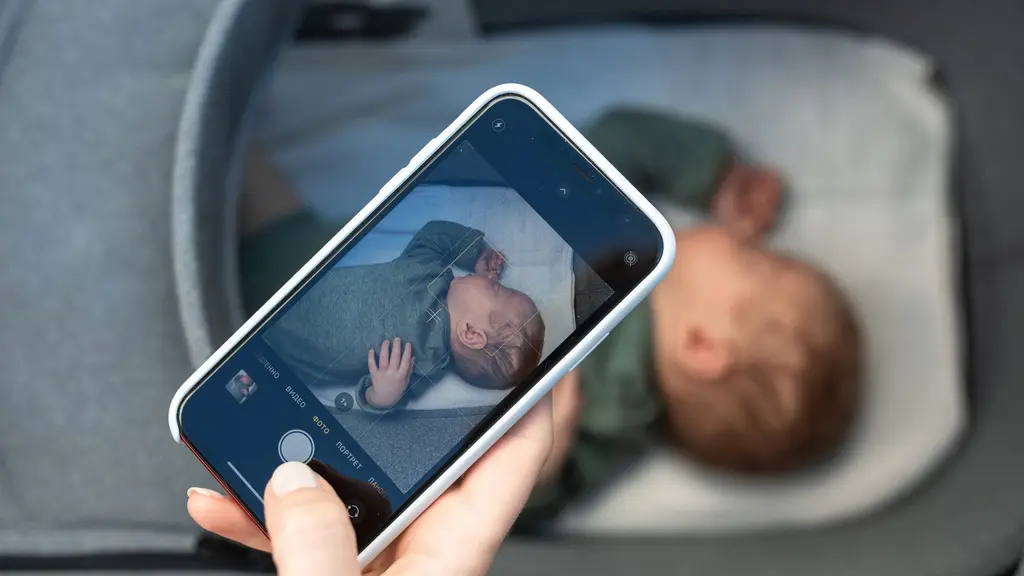
If your apartment is small and you can already hear your baby crying from the next room, the real question isn’t “is the monitor expensive or not”, it’s whether that hearing is reliable in every situation. If the answer is yes, you can genuinely skip the monitor. If your hearing depends on where you are in the house, the time of night, or whether something else is running (a washing machine, the TV), a monitor gives you a consistency your ears alone won’t.
The quick answer
A baby monitor is worth it in a small apartment when the baby’s room has a closed door or a wall separating it from the rest of the home, because sound won’t reach you reliably in that setup. If the baby’s room opens straight onto the living room and you’re sitting right there most of the time, natural hearing is usually enough, and you don’t need to spend on an extra device.
Key points
- Apartment layout matters more than square footage. A small apartment with a closed door between the baby’s room and the rest of the home needs a monitor more than a bigger, but open, apartment does.
- Everyday household noise masks the baby’s sounds. A washing machine, the TV, or kitchen activity all reduce how reliably you hear the baby, even from a nearby room.
- A video monitor gives anxious parents reassurance without opening the door and waking the baby every time.
- Actual range is shaped by walls and doors more than the meters on the box. A monitor rated for a long range can still weaken a lot behind a solid wall or closed door.
- A monitor complements natural check-ins, it doesn’t replace them, so always follow your pediatrician’s guidance on sleep and monitoring routines.
When you can genuinely skip it
If the baby’s room opens onto the living room or sits very close, and you or your partner are usually home, and you reliably hear the baby in every situation (at night, and when there’s other noise), you can genuinely skip a monitor in the first few months. The money you’d spend can go toward something else on your newborn checklist, and that’s a perfectly reasonable call if natural hearing is actually working for you.
When a monitor makes a real difference
The problem shows up when there’s a real barrier between where you are and the baby’s room: a closed door, a solid wall, or a second floor in the apartment. Sound reaches you late or inconsistently there, and you can miss a moment when the baby needs someone. If you work from home and want to focus without checking every half hour, or if you’re a deep sleeper who doesn’t wake easily to sound, a monitor gives you a reassurance that simply being nearby won’t.
Audio-only or video?
If all you need is to hear crying, a simple audio-only monitor does the job at a lower price. If you want to see that the baby is sleeping fine or isn’t tangled in anything without opening the door and waking them, a video monitor gives you that reassurance, but at a higher price and sometimes a need for a stable wifi connection.
Quick decision table
| Situation | Worth it? | Why |
|---|---|---|
| Baby’s room opens onto the living room, you’re nearby most of the time | Can likely skip | Natural hearing covers what you need |
| Closed door or solid wall between your room and the baby’s | Worth it | Sound doesn’t reach reliably at all times |
| You work from home or need long stretches of focus | Worth it | You don’t have to check in person every so often |
| You’re a deep sleeper or wake up with difficulty | Worth it, and a video model helps more | Visual reassurance without opening the door |
| Small single-floor apartment, both rooms right next to each other | Can likely skip, especially in the first months | Short distance and a simple barrier |
If you decide it’s worth it, what to look for
If you land on a monitor being worth it for you, the core things to check are the actual range (not just the meters printed on the box), whether you want video or audio-only, and connection reliability in your specific home. Our guide to the best baby monitor in Egypt recommends specific models by type and price, and if the one you already have keeps dropping the connection or won’t work at all, our baby monitor not working, what to check piece walks through the steps before you consider replacing it entirely.
Bottom line
A baby monitor isn’t a “every parent needs it” or “nobody needs it” decision, it comes down to your apartment’s layout and how reliably you actually hear the baby. If the room is open and close by and you always hear them, save the money. If there’s a closed door or a wall between you, or you’re a deep sleeper, a monitor gives you real reassurance. If you’re setting up your baby-care routine more broadly at the same time, the Philips Avent Microwave Steam Steriliser from our guide to the best bottle sterilizer in Egypt is a practical pick that follows the same simplicity logic, no extra countertop appliance needed. For the full buying criteria across baby appliances, read how to choose baby appliances, or browse our baby appliances section.
Sources
- The consensus of buyer reviews and range/price data from baby monitor and bottle sterilizer product listings on Amazon.eg at the time of publication.
This analysis is based on published information from Amazon.eg.
Frequently asked questions
Is a baby monitor worth it in a small apartment at all?
It depends more on your apartment's layout than its size. If the baby's room has a closed door or a solid wall separating it from the rest of the home, sound won't reach you reliably, especially over kitchen noise or the TV. If the baby's room opens straight onto the living room and you're sitting right there most of the time, you may genuinely be able to skip it.
Can I skip the monitor if I can already hear the baby from another room?
If you hear the baby reliably in every situation (at night, and when there's other noise in the house), yes, you can likely skip it, especially in the first few months before your monitoring needs grow as the baby becomes more mobile. If your hearing depends on where you are in the house or the time of night, a monitor gives you a consistency your ears alone won't.
Is a video monitor better than an audio-only one?
Not objectively better, it depends on your needs. An audio-only monitor is cheaper and simpler, and it's enough if all you need is to hear crying. A video monitor gives you visual reassurance (seeing the baby is sleeping fine, not tangled in anything) without opening the door and waking them, which matters more for anxious parents or light sleepers.
What range does a baby monitor need in a small apartment?
Small apartments generally don't need a long range, but walls and closed doors weaken the signal more than distance does. Check the monitor's rated range on the Amazon.eg listing, and think about how many walls sit between the baby's room and where you spend most of your time, not just the distance in meters.
Does a baby monitor replace anything else in a parent's routine?
No, it's a complement, not a replacement. It doesn't replace natural check-ins or periodic monitoring on your own, and any claims about sleep safety or health monitoring come from the manufacturer itself, not from testing we've done. Always follow your pediatrician's guidance on sleep monitoring routines.