
 UAE
UAE  Saudi Arabia
  USA
USA Food Processor Blades Guide: Which Tool for Which Job?
We may earn a commission from purchases through our links, at no extra cost to you. How we choose · Disclosure.
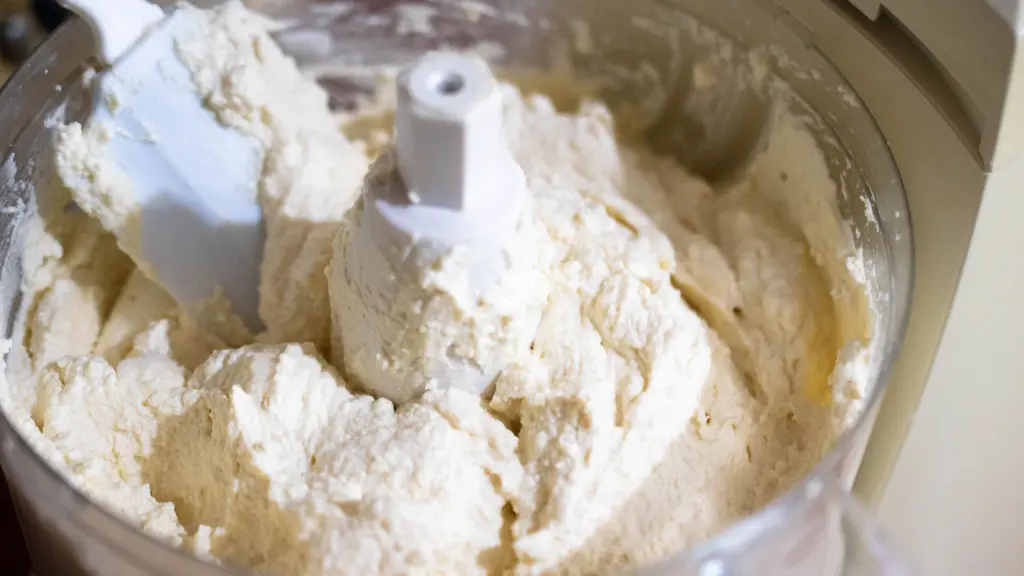
If your food processor chopping comes out uneven, or vegetables turn to mush instead of neat pieces, the machine usually isn’t the problem. The problem is using the wrong tool for the job, or using the right tool the wrong way. Every full food processor ships with four or five core tools: the S-blade, the grating disc, the slicing disc, and the dough tool, and each one was built for a completely different job.
The quick answer
The S-blade is for chopping, mincing, and pureeing. The grating disc is for cheese, carrots, and potatoes. The slicing disc is for even slices. The dough tool is for dough only. Most uneven-chopping complaints come from using the S-blade for a job a disc should handle, or overfilling the bowl. If a specific blade has gone dull or nicked after heavy use, you can pick up a replacement blade set on its own without replacing the whole machine.
Key takeaways
- The S-blade is the core tool, chopping, mincing, and pureeing depending on run time, and its shape is built to work ingredients from every angle inside the bowl, per the food processor definition from Britannica.
- The grating and slicing discs are flat, spinning discs, not chopping blades, which is exactly why they give a consistent result (fine shreds or even-thickness slices) that the S-blade cannot, per grater background from Britannica.
- Only the dough tool is built to withstand dough’s resistance, so never substitute the S-blade for heavy doughs.
- Overfilling the bowl is the single biggest cause of uneven chopping, because ingredients don’t reach the blade consistently.
- A dull blade crushes instead of cutting, which is a completely different fix from simply using the wrong tool.
The core tools and what each one does
To pick the right tool the first time, this table sums up each one, what it’s for, and what to keep it away from:
| Tool | What it does | Keep it away from |
|---|---|---|
| S-blade | Chops, minces, purees by run time | Heavy dough (strains and produces an uneven mix) |
| Grating disc | Fine or coarse grating (cheese, carrots, potatoes) | Even slicing (not its job) |
| Slicing disc | Even-thickness slices | Chopping or pureeing (gives slices, not small pieces) |
| Dough tool | Kneads medium doughs | Chopping or grating (not built for it at all) |
The simple rule: if the task is dry and needs a consistent shape, look at the tool whose design matches the shape you want, not just the nearest tool in the box.
Common mistakes that make chopping uneven
Most “uneven chopping” or “it turned to mush” complaints trace back to one of these:
- Using the S-blade for a slicing disc’s job: if you want even cucumber slices for salad and run it through the S-blade instead, you’ll get a random chop, not slices.
- Overfilling the bowl past half its capacity: ingredients don’t reach the blade consistently, so some get chopped fine and some stay large.
- Continuous running instead of pulsing: constant runtime turns food from chopped to pureed in seconds, especially with meat and onions.
- A dull blade: instead of cutting with a clean edge, it presses and crushes the ingredients.
When does a blade need replacing?
If chopping is still uneven even when you’re using the right tool the right way (a reasonable batch and short pulses), the blade itself is likely the cause, not your technique. Other signs: the blade presses and resists instead of cutting cleanly, the job takes noticeably longer for the same result, or there are visible nicks or rust on the cutting edge.
The fix doesn’t have to be a whole new food processor. Many makers sell replacement blade sets or the single disc on its own as a spare part, so you can renew one tool instead of replacing the whole machine. Check your model’s manual or the store you bought it from to confirm exact compatibility before you buy.
Practical examples from a real kitchen
- Kibbeh and kofta: the S-blade alone, with short pulses so the meat doesn’t turn into a paste. See the full method in our guide on mincing meat at home with a food processor.
- Salads, gratins, and homemade chips: the slicing disc for cucumber, tomato, and potatoes, and the grating disc for cheese and carrots.
- Pastry, pies, and pizza dough: the dough tool only, never the S-blade, even for small batches.
For every use gathered in one place, see our full guide on food processor uses.
A machine with a complete tool set
A machine like the Kenwood FDP65.400WH ships with 7 tools in one box: a chopping blade, grating and slicing discs, a dough tool, a 1.5L blender jug, and a mill, and its roomy 3L bowl gives every tool the room to work properly without crowding. We didn’t recommend it for being the cheapest, we recommended it because its tool set is complete and its 1000W handles the dough tool and the blades together, which is why it tops our guide to the best food processor in Egypt. You’ll find its current price and the Noon link in the card below.
Bottom line
Knowing which tool to use when matters more to your chopping results than motor power alone. The S-blade for chopping and mincing, the discs for grating and even slices, and the dough tool for dough only. If chopping is still uneven after using the right tool, check the blade itself before blaming the machine. For the full detail on choosing a processor that fits you from the start, head back to our guide on how to choose a food processor or browse our food processors section.
Sources
- Britannica, “Food processor”, definition of the food processor and its core tools (the S-blade, discs, and dough tool): https://www.britannica.com/technology/food-processor
- Britannica, “Grater”, background on grating tools and their shape, distinct from chopping blades: https://www.britannica.com/dictionary/grater
This analysis is based on published information from Britannica (Food processor), Britannica (Grater).
Frequently asked questions
What's the difference between the S-blade and the slicing disc?
The S-blade chops, minces, and purees depending on run time, and its shape works the ingredients from every angle inside the bowl. The slicing disc is completely different: a flat disc that spins and produces even-thickness slices for every piece, like cucumber or potato slices. If you put cucumber through the S-blade instead of the slicing disc, you'll get a random chop, not even slices.
When should I use the dough tool instead of the S-blade?
The dough tool is made for dough only: pastry, pizza, and pies. The S-blade can mix a light batter, but it isn't built to withstand a heavy dough's resistance for long, so the motor strains and the result comes out uneven. If dough is a regular job for you, fit the dough tool from the start.
How do I know a food processor blade needs replacing?
The clearest sign is chopping that stays uneven even when you're using the right tool the right way. Other signs: the blade presses and crushes instead of cutting cleanly, the job takes noticeably longer for the same result, or there are visible nicks or rust on the blade's edge. In that case, the blade is likely dull and needs replacing.
Can I use the grating disc instead of the slicing disc?
No, each disc is built for a different result. The grating disc produces small, shredded pieces (like grated cheese or carrot for stuffing), while the slicing disc produces flat, even-thickness slices (like cucumber for salad). Swapping one for the other gives you a texture you didn't plan for.
Are food processor blades sold separately as spare parts?
Yes, for most well-known models. If the S-blade or a disc has gone dull or cracked, you don't have to replace the whole machine; many brands sell replacement blade sets or the single part on its own. Check your model's manual or the store you bought it from to confirm compatibility before buying.