
 UAE
UAE  Saudi Arabia
  USA
USA How Long Does a Blender Last? Signs It's Time to Replace It
We may earn a commission from purchases through our links, at no extra cost to you. How we choose · Disclosure.
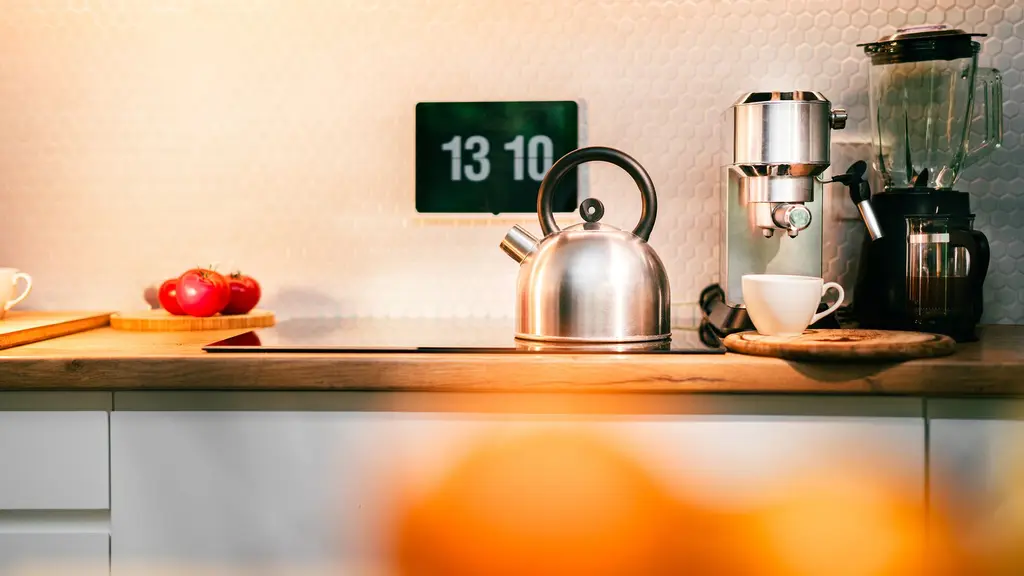
There’s no fixed number that applies to every blender, but the short version is this: a blender used the right way can last for years, and what really decides its lifespan isn’t the brand, it’s how you use and maintain it. Blenders are built for short bursts with rest in between, not hours of continuous running, and the first part to wear out usually isn’t the motor, it’s a small rubber piece called the drive coupler that connects the motor shaft to the blades. Know the warning signs and you can decide whether to repair or replace instead of guessing.
The quick answer
There’s no fixed lifespan for every blender, but one used the right way (reasonable loads, rest between runs, regular cleaning) can last for years, while heavy continuous use can wear out the coupler and blades within months. The clearest signs it’s nearing the end: a grinding or squeaking noise from the base, blades spinning slowly or stopping suddenly, or a faint burning smell. If these show up on a fairly new blender, you likely need to replace one part, not the whole machine.
Key takeaways
- A blender is built for intermittent use, not continuous running: like most small electric motors, running it for long stretches without a break raises the motor’s internal temperature faster than it’s designed for (electric motor background from Britannica).
- The drive coupler, not the motor, is usually the first thing to fail: this small rubber piece connects the motor shaft to the blade base, and it absorbs the shock every time the blades stall suddenly in thick food or too much ice.
- Overloading shortens lifespan faster than years of use do: a blender pushed past its capacity daily will wear out sooner than one used moderately for years.
- Simple maintenance matters more than people think: cleaning after every use and respecting the max fill line printed on the jug (blender mechanics from Britannica) keep the coupler and blades healthy for longer.
- Jug material affects the jug’s own durability, not the motor’s lifespan: glass holds up to scratching and heat better over time, while plastic is lighter but wears down faster.
Why isn’t there a fixed number?
A blender used twice a week for a morning juice is a very different story from one used daily for crushing ice and grinding nuts. The difference isn’t the quality of the machine alone, it’s how much strain the motor, coupler, and blades absorb each time. A budget blender that’s never pushed past its limits can outlast a pricier one that’s been overloaded from day one.
What extends or shortens a blender’s life
| Factor | Extends life | Shortens life |
|---|---|---|
| Run time | Short bursts with rest | Continuous runs for minutes at a time |
| Load | Within the max fill line | Overloading every time |
| Crushing ice | Using the pulse function | Running continuously on hard ice |
| Cleaning | After every use | Letting residue build up around the blades and base |
| Jug material | Glass, holds up to heat and scratching | Cheap plastic that scratches and weakens faster |
Signs your blender is nearing the end
- A grinding or unusual squeaking sound from the base while running.
- Blades spinning slowly or stopping suddenly even though the motor sounds normal, a classic sign the coupler is worn or starting to fail.
- A faint burning smell after a bit of use, especially paired with excess heat at the base.
- Leaking from under the jug while blending, usually a worn seal or gasket.
- Noticeable vibration on the counter beyond what’s normal, which can point to wear in the part connecting the jug to the base.
Repair or replace?
The decision comes down to three simple things:
- The blender’s age: under two years old with no burning smell, repair is usually worth it.
- Part cost versus a new blender: if fixing the coupler or blades costs more than half the price of a decent budget blender, buying new makes more sense.
- Whether the problem keeps coming back: if the same fault returns after a repair, something else, like ongoing overloading, needs fixing first.
The part that actually extends your blender’s life
Before anything else, the cheapest fix is changing how you use it: run it in short bursts, stay within the max fill line, and use the pulse function instead of continuous running when crushing ice. If after all that the blades keep spinning slowly or stalling even though the motor sounds fine, the drive coupler (the rubber piece connecting the motor to the blades) is almost certainly the part that’s worn out, and it’s a small, relatively cheap part to replace on its own rather than assuming the motor is dead and buying a whole new blender.
If it really is time to replace it
If your blender has been through years of heavy daily use, or the repair cost is getting close to a new one, a practical example from our shortlist: the Moulinex Super Smoothie LM207128 (2L jug, 700W) pairs a large family-size jug that clears a batch in one go (fewer runs, less load on the coupler) with a motor that grinds fruit and nuts smoother, plus two attachments, rated 4.2 of 5 across 78 ratings as of August 2026. We didn’t pick it for being the cheapest, we picked it because the balance of power, capacity, and price makes sense, which is why it tops our guide to the best blender in Egypt. You’ll find its current price and the Amazon link in the card below.
Bottom line
A blender’s lifespan isn’t a fixed number, it’s a result of how you use it. Run it in short bursts, don’t push it past its capacity, and clean it after every use, and it will last a lot longer. If you hear grinding or notice the blades slowing down, check the coupler before assuming the motor is dead, and see blender not working, what to check for the full steps. If you’re thinking about a glass jug for durability, compare in glass vs plastic jug, and if it really is time to replace, start with our how to choose a blender guide or see our picks in the best blender in Egypt guide, and browse the blenders section for every option.
Sources
- Britannica, “Blender”, explanation of how a blender works and its core parts: https://www.britannica.com/dictionary/blender
- Britannica, “Electric motor”, background on small electric motors and duty cycles: https://www.britannica.com/technology/electric-motor
This analysis is based on published information from Britannica (Blender), Britannica (Electric motor).
Frequently asked questions
How long does a blender last on average?
There's no fixed number, because lifespan depends more on how it's used than on the brand. A blender used moderately and never pushed past its capacity can last for years, while heavy continuous use wears out the coupler and blades much faster.
What's usually the first part to fail in a blender?
Usually not the motor, but the drive coupler, a small rubber piece that connects the motor shaft to the blade base. It absorbs the shock every time the blades stall suddenly in thick food or too much ice, so it wears out before anything else.
Does crushing ice a lot shorten a blender's life?
If done right (using the pulse function in short bursts) the effect is minor. But running the blender continuously on hard ice without breaks puts extra strain on the coupler and blades, and that shortens their life faster than normal use.
How do I know when it's time to replace instead of repair?
If the blender is over two years old and the fault keeps recurring, or the cost of fixing the coupler and blades is close to half the price of a new budget blender, buying new usually makes more sense. If it's fairly new and there's no burning smell, repair is usually worth it.
Does a glass jug last longer than plastic?
Jug material doesn't determine the motor's lifespan, but it does affect the jug's own durability: glass holds up to scratching and heat better over time, while plastic is lighter but scratches and weakens faster with repeated heat exposure.