
 UAE
UAE  Saudi Arabia
  USA
USA Is a Dehumidifier Worth It? When to Buy and When to Skip
We may earn a commission from purchases through our links, at no extra cost to you. How we choose · Disclosure.
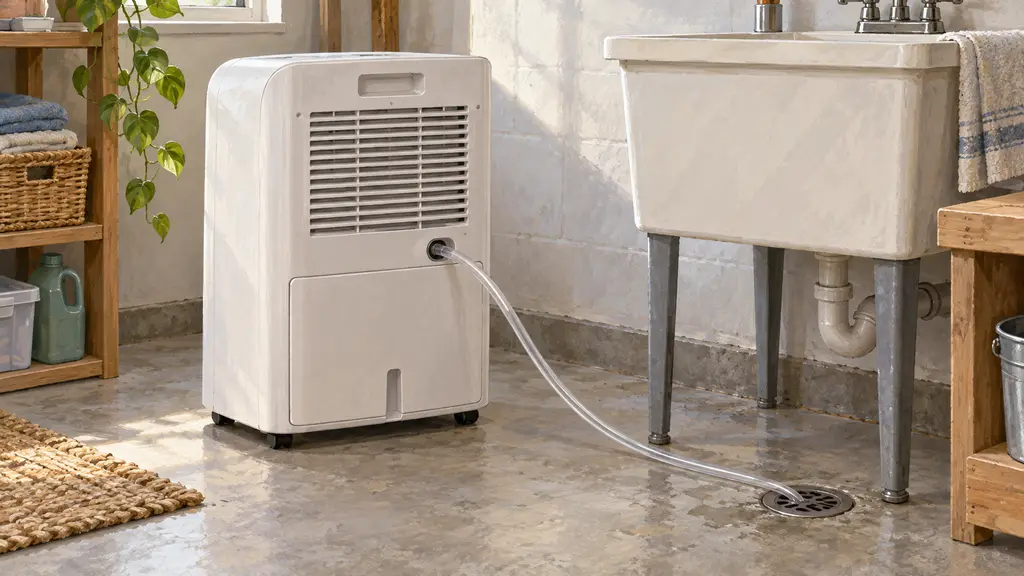
A dehumidifier is worth the money if you’re dealing with recurring mold, constantly fogged windows, a persistent musty smell, or a space with no air conditioning like a storage room, bathroom, or closet. In those cases the problem keeps coming back and costs you in repainting and damaged furniture over time, so the unit pays for itself. If your issue is light and seasonal, happening for just a month or two a year, try simpler fixes like ventilation and moisture absorbers first before committing to a purchase.
The quick answer
A dehumidifier is worth it if your problem is recurring or constant: mold, fogged windows, a musty smell, or a space with no air conditioning. It’s not worth it if your problem is light and seasonal and can be solved with simple ventilation. The difference is that the unit fixes the cause, while simple fixes only ease the symptoms. If you’ve tried the simple fixes and the problem keeps coming back, the unit is the right investment.
Key takeaways
- High humidity is a perfect setup for mold and mildew growth, which damages health, furniture, and paint (background on mold from US EPA).
- A dehumidifier treats the cause, not just the symptoms the way ventilation or temporary absorbers do.
- Power use is limited, since the unit runs until it hits a target humidity level rather than continuously all day.
- The cost of neglecting humidity is usually higher than the unit’s price: peeling paint, warped wooden furniture, damp clothes in the closet.
- If your problem is seasonal and light, try ventilation and moisture absorbers first before investing in a dedicated unit.
When is a dehumidifier actually worth it?
A dehumidifier is worth the purchase decision in these cases:
- Mold keeps coming back on walls or ceilings even after you wipe and clean it.
- Windows fog up constantly, even on ordinary days, not just in winter.
- A persistent musty smell lingers in a room, closet, or storage space even after airing it out.
- An enclosed space with no air conditioning, like a storage room, a windowless bathroom, or a closet.
- A home near the coast or in a region with high humidity year-round.
When can you wait or try a cheaper fix first?
Not every humidity problem needs a unit right away. Try these simpler fixes first if the problem is mild and seasonal:
- Open windows daily to air out the room, especially during drier weather.
- Use moisture-absorbing packets like silica gel in closets and drawers.
- Cut down indoor moisture sources, like boiling water or drying clothes indoors without ventilation.
If you’ve tried these for a few weeks and the problem persists or keeps returning, that’s a sign the source is bigger than a passing seasonal issue, and a dedicated unit is the next step.
Comparison: wait it out or buy now?
| Situation | Wait and try simple fixes | Buy a dehumidifier |
|---|---|---|
| Light, seasonal problem (a month or two) | Yes, try ventilation and absorbers first | Not urgent |
| Mold keeps returning despite cleaning | No, simple fixes don’t treat the cause | Yes, this is a clear signal |
| Space with no AC, like a storage room or bathroom | Ventilation has limited benefit here | Yes, the only practical fix |
| Persistent musty smell despite airing out | Won’t go away with ventilation alone | Yes |
| Home near the coast or humid year-round | Only a temporary relief, problem returns | Yes, a long-term investment |
A simple math check: the cost of neglect versus the price of the unit
Think about what you’re actually paying by leaving humidity unaddressed: paint that peels and needs repainting, wooden furniture that warps or grows mold, clothes that stay damp in the closet. Those costs recur and add up over time. A dehumidifier is a one-time cost that runs for years, so if your problem is real and recurring, the math usually tips in favor of the unit over the medium to long term.
If you’ve decided it’s worth it, start with this unit
If the math says it’s time to buy, the Smart Compressor Dehumidifier at 30L/day is our top pick for this category. We didn’t pick it for being the cheapest, we picked it because it’s the biggest drying capacity on our list with remote app control, and it’s the most-reviewed model among our picks, with thousands of positive reviews on Amazon.eg, confirming plenty of people have actually used it for years. Its one trade-off is that it’s the priciest unit on the list, but if you need one unit to cover the whole home, it’s the most trusted pick in our guide to the best dehumidifier in Egypt.
See the Smart Compressor Dehumidifier 30L price on Amazon.eg ↗
Bottom line
A dehumidifier is worth the money if your problem is recurring or constant: mold, fogged windows, a musty smell, or a space with no air conditioning at all. If your problem is light and seasonal, try ventilation and moisture absorbers first, and if it comes back after a few weeks, the unit is the right investment. Before you buy, figure out the right capacity in what size dehumidifier do I need, and compare against your AC in AC dry mode vs a dehumidifier. Check our guide on how to choose a dehumidifier for buying details, or browse our full dehumidifiers section.
Sources
- ENERGY STAR, “Dehumidifiers”, definition of the dehumidifier and when it’s the right fix for a real humidity problem: https://www.energystar.gov/products/dehumidifiers
- US EPA, “Mold, moisture and your home”, background on mold, the damp conditions it needs to grow, and its effects on health and furniture: https://www.epa.gov/mold/brief-guide-mold-moisture-and-your-home
This analysis is based on published information from ENERGY STAR (Dehumidifiers), US EPA (Mold, moisture and your home).
Frequently asked questions
Is a dehumidifier actually worth the money?
If you're dealing with recurring mold, constantly fogged windows, a persistent musty smell, or a space with no air conditioning like a storage room or bathroom, yes, it's worth it, because it fixes a problem that otherwise keeps costing you in repairs and repainting. If your issue is light and seasonal, happening for just a month or two a year, you might wait or try simpler fixes first.
What can I do instead of buying a dehumidifier?
If the problem is mild, airing out the room daily and opening windows during drier weather, plus moisture-absorbing packets like silica gel in closets, can reduce the issue, though they won't fully fix it if humidity is high or constant. If you've tried these simple fixes and the problem keeps coming back, a dehumidifier is the real fix, not a temporary one.
Does a dehumidifier use a lot of electricity?
Compact units draw very little power, comparable to any small household appliance, and even large compressor units cycle on and off until they hit the target humidity level rather than running non-stop 24 hours a day. Compared to the cost of fixing peeling paint or humidity-damaged furniture, the math usually favors the unit.
Won't the humidity just go away on its own once the weather changes?
If the source is purely seasonal, humidity might ease up on its own. But if the source is an enclosed or poorly ventilated space, like a storage room, a closet, or a windowless bathroom, the humidity tends to stay trapped nearly year-round because the problem is the space itself, not the general weather.