
 UAE
UAE  Saudi Arabia
  USA
USA Is an Air Purifier Actually Worth It?
We may earn a commission from purchases through our links, at no extra cost to you. How we choose · Disclosure.
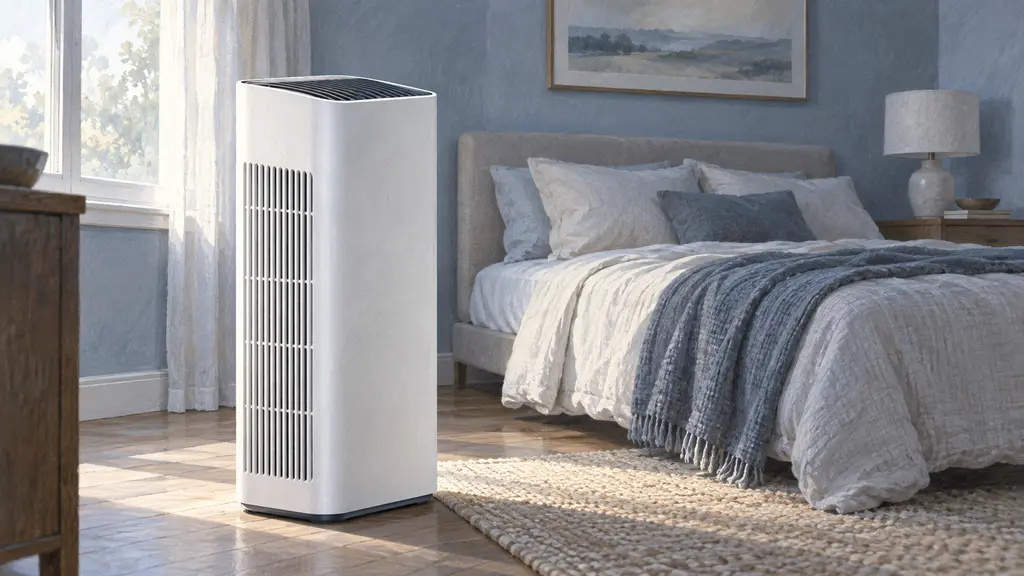
An air purifier is genuinely worth it if it has a true HEPA filter and you’re running it in a closed room during AC season or you have someone at home with allergies, because it captures the fine dust and pollen suspended in the air that regular cleaning never reaches. What it won’t do is replace vacuuming and dusting, and it won’t make much difference in an open-plan space with constantly refreshed air. Bottom line: it’s not a marketing gimmick, but its value depends heavily on where you use it.
The quick answer
A true HEPA air purifier is genuinely worth it in a closed bedroom or a home with allergy sufferers, because it captures the fine dust and pollen suspended in the air. It’s not a substitute for vacuuming and dusting, and it won’t make much difference in an open-plan space or an already well-ventilated home. If your situation is one where the difference shows, a single unit with true HEPA filtration is enough, you don’t need extra smart features unless you actually want them.
Key takeaways
- A true HEPA filter captures extremely fine particles, far smaller than what you can see, which is what makes the difference for allergies and sneezing (HEPA filter definition from US EPA).
- An air purifier deals with airborne dust, not dust that’s already settled on surfaces, so it complements regular cleaning rather than replacing it.
- The difference is clearest in a closed space, like a bedroom during AC season, not in an open living room with air constantly refreshed through windows.
- Room size matters more than price, since a small unit in a large room won’t make a real difference no matter how expensive it is (air purifier definition from US EPA).
- Every HEPA unit does the same core job, so the extra cost of pricier models usually pays for coverage or smart controls, not whether HEPA filtration exists at all.
What an air purifier actually does
An air purifier pulls in room air and passes it through a HEPA filter that captures fine particles like soft dust, pollen, and suspended smoke. These are the particles that reach your airway easily and trigger allergies, sneezing, and coughing in a lot of people. If your room is closed up most of the day because of the AC, those particles stay suspended and recirculating in the same air you’re breathing, and that’s exactly where an air purifier makes a tangible difference.
What an air purifier doesn’t do
An air purifier doesn’t catch dust that has already landed on the floor, shelves, or furniture, that’s still the job of regular vacuuming and dusting. It also won’t make much difference in an open space that’s constantly refreshed through windows or a central AC system pulling in outside air, because the unit only processes a limited volume of air based on its clean air delivery rate (CADR). And if you have a continuous dust source like nearby construction or a pet that sheds heavily, the unit will reduce the problem, not eliminate it entirely.
When it’s genuinely worth it
| Situation | Worth it? | Why |
|---|---|---|
| Closed bedroom during AC season | Yes | Dust and pollen build up in the same still air for hours |
| Someone at home has chronic allergies or sinus issues | Yes | HEPA filtration captures the fine triggers behind the symptoms |
| Home near a busy street or construction site | Yes | A continuous outdoor source of dust and fumes |
| Living room or open-plan space with constantly refreshed air | Less clear benefit | Large air volume relative to a single unit’s coverage |
| Well-ventilated, pet-free home | Limited benefit | Fewer dust and allergen sources to begin with |
The unit worth starting with
If you’ve decided an air purifier is worth it in your situation, you don’t need to chase the priciest model. A practical example from our shortlist: the LEVOIT Bedroom HEPA delivers true HEPA filtration sized right for a bedroom or any small closed room, and it carries thousands of positive reviews on Amazon.eg, easily the biggest track record on this list. We didn’t pick it for being the cheapest, we picked it because the balance of the right size, real filtration, and buyer trust makes sense for most Egyptian homes, which is why it tops our guide to the best air purifier in Egypt. You’ll find its current price and buy link in the card below.
Bottom line
A true HEPA air purifier is genuinely worth it if you have a closed room during AC season or someone at home with allergies, but it’s a complement to regular cleaning, not a replacement, and it won’t do much in an open-plan space. If you decide to buy, pick the unit for the room, not the price tag. To learn how to keep it running well after purchase, read how to clean an air purifier and how often, and if you’re unsure what size to get, browse our guide on how to choose an air purifier. If you want to know specifically whether it helps with dust, read do air purifiers help with dust, or check out air purifiers in Egypt.
Sources
- US EPA, “What is a HEPA filter”, definition of the HEPA filter and its efficiency at capturing fine particles: https://www.epa.gov/indoor-air-quality-iaq/what-hepa-filter
- US EPA, “Guide to air cleaners in the home”, definition of the air purifier, how it works, and its clean air delivery rate: https://www.epa.gov/indoor-air-quality-iaq/guide-air-cleaners-home
This analysis is based on published information from US EPA (Guide to air cleaners in the home), US EPA (What is a HEPA filter).
Frequently asked questions
Does an air purifier actually help with dust and allergies?
Yes, if it has a true HEPA filter, because it captures the fine dust particles, pollen, and smoke suspended in the air, which are what trigger allergies and sneezing more than the larger dust that settles on surfaces. The difference is clearest in a closed room during AC season, not in an open space with constantly refreshed air.
Will an air purifier replace vacuuming and dusting?
No, an air purifier deals with dust suspended in the air, not dust that has already settled on the floor, shelves, and furniture. Vacuuming and dusting are still necessary, and an air purifier complements them rather than replacing them.
Which homes benefit most from an air purifier?
Homes with someone who has chronic allergies or sinus issues, a bedroom that's closed up all summer with the AC running, or a home near a busy street or construction site will all see a clear difference. If your home is well-ventilated and pet-free, the benefit will be less noticeable.
Is a cheap unit good enough or should I spend more?
If the unit has a true HEPA filter, even the cheapest model in that category does the same core job. Price differences usually come down to how much room the unit covers and smart features like app control, not whether HEPA filtration is present at all.
How long before I notice a difference?
You'll usually notice cleaner-feeling air and less sneezing within the first couple of weeks if the unit is sized right for the room and runs regularly. The difference in surface dust buildup takes longer, since that's tied to regular cleaning, not the purifier alone.