
 UAE
UAE  Saudi Arabia
  USA
USA The Most Common Stand Mixer Buying Mistakes to Avoid
We may earn a commission from purchases through our links, at no extra cost to you. How we choose · Disclosure.
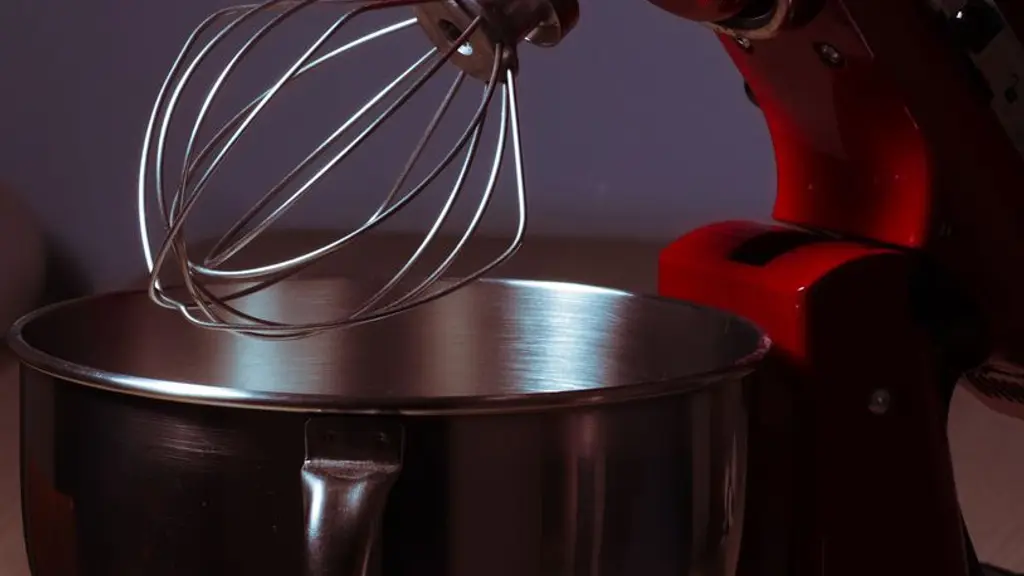
The most common stand mixer buying mistakes: relying on the wattage number alone without checking motor torque, picking a bowl size smaller or bigger than you actually need, skipping the local warranty and agent, and rushing to the cheapest price without comparing real value. Any one of these can leave you paying more or buying a mixer that strains quickly. The fix is knowing your real needs before you choose.
The quick answer
The most common stand mixer buying mistakes are relying on wattage alone, picking the wrong bowl size, skipping the local warranty, and rushing to the cheapest price without comparing value. Know the type and amount of baking you do first, compare value rather than price alone, and confirm the warranty before you pay.
Key takeaways
- The wattage number alone is not proof of kneading power, because real kneading strength depends on motor torque (torque background from Britannica).
- The wrong bowl size shows up fast: too small forces repeated batches, and too big takes up storage space you will not use.
- Local warranty and agent are not a minor detail, they determine your real cost if something fails months into use.
- The cheapest price is not always the best deal, because a budget mixer that strains on heavy dough can cost you a replacement or repair later.
- Compare model to model, which is more accurate than comparing brand to brand, since real specs differ between models even within the same brand.
Mistake one: relying on the wattage number alone
Many buyers assume higher wattage means stronger kneading, but watts measure electricity use, not actual kneading power. Real power depends on motor torque, gear quality, and internal design (torque definition from Britannica). A lower-wattage mixer with strong metal gears can outperform a higher-wattage one on heavy dough. The fix: compare motor torque, bowl capacity, and gear type together, not the wattage number by itself.
Mistake two: picking the wrong bowl size
Some buyers buy a small bowl (4L) and later find they need bigger batches for gatherings or events, or the opposite, buying a 10L bowl they only half-use on rare occasions. The fix: calculate the amount of baking you actually do regularly, not the biggest rare occasion that might come up. If you are unsure of the size, check our dough mixer size guide before buying.
Mistake three: skipping the local warranty and agent
Some mixers come at a tempting price but without a clear warranty or a local agent who can repair them or supply parts. If something fails months in, you may end up needing to buy a whole new unit instead of repairing the old one. The fix: confirm there is a known agent and a documented warranty before paying, even if the price is a bit higher.
Mistake four: buying a budget mixer for regular heavy dough
A budget mixer built for light whisking and small batches can strain or overheat if you use it regularly for heavy dough like bread and pastry. The fix: if your intent is regular heavy kneading, invest in a tier with a stronger motor and metal gears from the start, instead of replacing it a few months later.
Mistake five: ignoring space and storage
Chasing the biggest capacity or strongest motor without checking whether you have the storage space or counter room for it is a common mistake, especially in small apartments. The fix: measure your actual available space before buying, and see the best stand mixer for a small apartment if your kitchen is tight on room.
Mistake six: rushing to the cheapest price without comparing value
The cheapest mixer on the market is not always the best deal, because it can strain quickly and cost you a replacement or repair. The fix: compare overall value (power, capacity, warranty, price) rather than the price tag alone. A practical example of this balance: the Kenwood Homebake KHH01 (1400W motor, 5L bowl), our top pick in the guide to the best stand mixer in Egypt.
Table: mistakes and the right fix
| Mistake | Why it’s a problem | The right fix |
|---|---|---|
| Relying on wattage alone | Not an accurate measure of kneading power | Compare motor torque and bowl capacity |
| Wrong bowl size | Repeated batches or wasted storage space | Calculate your actual need, not the rare occasion |
| Skipping the local warranty | High cost if something fails | Confirm a documented agent and warranty |
| Budget mixer for heavy dough | Motor overheats or stalls early | Invest in a higher tier from the start |
| Ignoring space | A bulky mixer in a small kitchen | Measure your space before buying |
| Rushing to the cheapest | Early replacement or repair | Compare overall value, not price alone |
Bottom line
Most stand mixer buying mistakes come down to a quick decision made without thinking through your real needs: the type and amount of baking, storage space, and local warranty. Take your time comparing before you pay, and if you need to confirm whether a stand mixer is worth the investment at all, read is a stand mixer really worth buying?. If you are torn between the two, see Kenwood vs KitchenAid, and check our how to choose a stand mixer guide or browse our stand mixers section before the final decision.
Sources
- Britannica, “Mixer (kitchen appliance)”, general background on kitchen mixers and their types: https://www.britannica.com/technology/mixer-appliance
- Britannica, “Torque”, definition of torque and why it determines real kneading power more than the wattage number: https://www.britannica.com/science/torque
This analysis is based on published information from Britannica (Mixer (kitchen appliance)), Britannica (Torque).
Frequently asked questions
Does a higher wattage mean stronger kneading?
Not necessarily. Watts measure electricity use, and real kneading power depends on motor torque and gear quality. A lower-wattage mixer with strong metal gears can outperform a higher-wattage one on heavy dough, so look at bowl capacity and motor type too, not just watts.
What is the most common mistake first-time stand mixer buyers make?
The most common mistake is buying based on wattage or the lowest price without considering the kind of kneading they will actually do. If your intent is regular heavy dough and you bought a budget mixer built for light whisking, the motor overheats or stalls early.
Should I buy the cheapest stand mixer or invest in a higher tier?
If your use is light and occasional, the cheapest is enough. If you make heavy dough regularly, investing in a higher tier saves you replacement or early repair costs, and that pays off over the long run.
Do I need to check the warranty before buying?
Yes, always. Confirm there is a local agent, a clear warranty, and a trustworthy seller before paying, because a mixer with no warranty or an unclear source can cost you more if it fails after a short time.