
 UAE
UAE  Saudi Arabia
  USA
USA How to Clean a Dehumidifier and Stop Mold Growing Inside
We may earn a commission from purchases through our links, at no extra cost to you. How we choose · Disclosure.
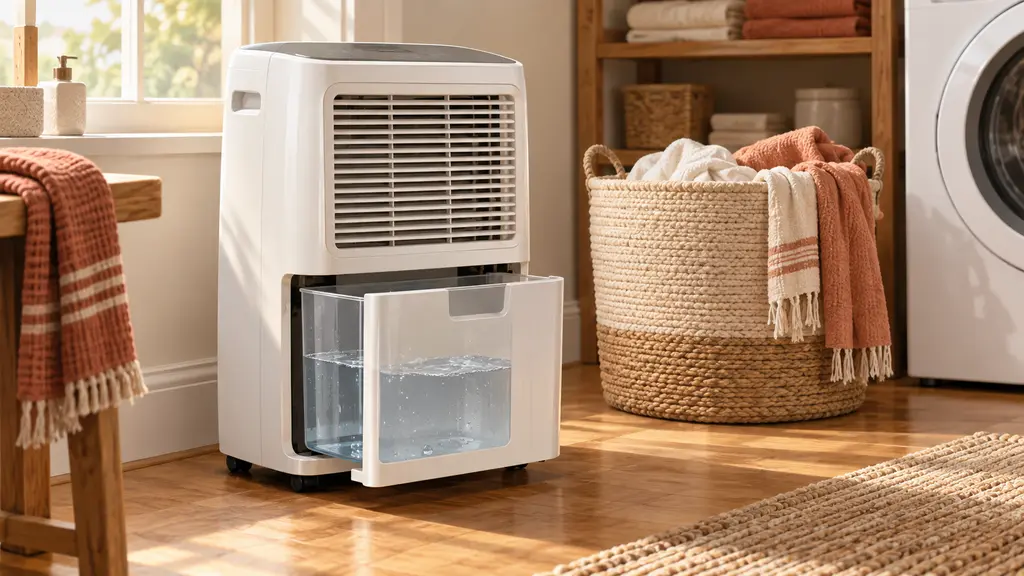
Wash your dehumidifier’s tank weekly with warm water and dish soap, rinse or wipe the filter every two to four weeks, and check the cold coils inside every couple of months. Leave the tank or filter uncleaned, and they build up a damp film that’s a perfect setup for mold and bacteria, turning the machine that’s supposed to protect you from humidity into the source of the smell and the problem. Cleaning it properly only takes a few minutes each time.
The quick answer
Wash the dehumidifier tank weekly with warm water and dish soap, clean the filter every two to four weeks depending on use, and wipe the cold coils inside every couple of months. Dry every part well before reassembling, since leftover water is the biggest cause of mold growth. If the filter is damaged or has lost its effectiveness even after washing, a replacement filter restores the unit’s performance.
Key takeaways
- Standing moisture in the tank and filter is a perfect setup for mold and bacteria if left uncleaned regularly (background on mold from US EPA).
- The tank should be washed weekly with warm water and regular soap, no need for harsh cleaners.
- The filter catches dust and hair before air enters the unit, so a clogged filter cuts drying efficiency and drives up power use.
- Never submerge the body of the unit in water, since it houses an electrical circuit, a motor, and a compressor, wipe it from the outside with a damp, well-wrung cloth only.
- A filter doesn’t clean forever, and after long-term use a replacement filter restores the unit’s performance more cheaply than servicing or replacing the whole machine.
Washing the tank: the easiest and most important step
The tank is the part that touches condensed water every day, and neglecting it causes odor and bacteria fast. The steps:
- Unplug the unit before you remove any part.
- Empty the tank into a sink or drain.
- Wash it with warm water and regular dish soap and a soft sponge, focusing on the corners and the bottom.
- Rinse it thoroughly until no soap residue remains.
- Dry it with a clean towel or let it air-dry before reassembling, since leftover moisture speeds up mold growth.
Repeat this weekly if the unit runs daily, or any time you notice even a faint smell from the tank.
Cleaning the filter: it protects the unit from the inside
The filter catches dust, hair, and lint before air reaches the cold coils, protecting the unit from the inside. If it clogs, the unit pulls in less air and has to work harder for the same result, which drives up power use and shortens the machine’s life over time. The steps:
- Unplug the unit and locate the filter, usually on the front or back panel depending on the model, check the manual if you’re not sure.
- Slide the filter out gently without pulling on the plastic frame.
- Rinse it with lukewarm water if there’s a light layer of dust, or use a vacuum on its lowest setting if the filter isn’t washable.
- Let it air-dry completely before putting it back, since a wet filter reduces airflow and creates a damp environment inside the unit.
Wiping the coils and the exterior
The cold coils inside the unit are where water vapor condenses, and light dust can build up on them over time if the filter isn’t catching it well. Check them every couple of months, and wipe them with a soft brush or a dry cloth if you see visible buildup. The body of the unit itself, which houses the motor, compressor, and electrical circuit, must never be submerged in water or held under a tap, wipe it from the outside with a damp, well-wrung cloth only.
Signs the unit needs a deeper clean or a fix
If you still notice a musty or moldy smell even after washing the tank, or the unit is taking longer than usual to reach the same humidity level, that’s a sign the filter or coils need a deeper clean or a check. If the filter itself is damaged, the mesh is torn, or it has lost its effectiveness even after repeated washing, the practical fix is a replacement filter, which is far cheaper than servicing or replacing the whole unit, and it restores moisture and airflow performance to like new.
The unit that’s easy to keep clean
If you’re still shopping, how easy the tank and filter are to access makes a real difference to the long-term cleaning experience. A practical example from our shortlist: the Smart Compressor Dehumidifier at 30L/day with app control, the most-reviewed model among our picks with thousands of positive reviews on Amazon.eg, which is reassuring for a real, long-term ownership experience that includes routine maintenance. We didn’t pick it for being the cheapest, we picked it because it’s the biggest drying capacity on the list and the most trusted pick by review volume, which is why it tops our guide to the best dehumidifier in Egypt.
See the Smart Compressor Dehumidifier 30L price on Amazon.eg ↗
When to stop and call a technician
- A musty or moldy smell remains after the tank and filter are cleaned and dried.
- The unit takes longer than usual to reach the same humidity level after cleaning.
- Airflow stays weak after the filter and vents are cleaned.
- The filter mesh is torn or remains ineffective after repeated washing.
Stop using the dehumidifier and have it checked by a qualified technician before using it again.
Bottom line
Cleaning a dehumidifier isn’t a minor detail, it’s what stops the machine from becoming the source of the mold and smell you’re trying to get rid of in the first place. Wash the tank weekly, clean the filter every two to four weeks, wipe the coils every couple of months, and dry every part well before reassembling. If the filter is damaged or has lost its effectiveness, a replacement filter is a simple, cheap fix. Still deciding whether to buy a dehumidifier at all? Read is a dehumidifier worth it?, and if you’re not sure what size fits your home, see what size dehumidifier do I need. Check our guide on how to choose a dehumidifier, or browse our full dehumidifiers section.
Sources
- ENERGY STAR, “Dehumidifiers”, definition of the dehumidifier and its core parts (tank, filter, cold coils): https://www.energystar.gov/products/dehumidifiers
- US EPA, “Mold, moisture and your home”, background on mold and the damp conditions it needs to grow: https://www.epa.gov/mold/brief-guide-mold-moisture-and-your-home
This analysis is based on published information from ENERGY STAR (Dehumidifiers), US EPA (Mold, moisture and your home).
Frequently asked questions
How often should I clean my dehumidifier?
The tank should be washed weekly if the unit runs daily, since standing water breeds bacteria and odor fast. The filter needs cleaning every two to four weeks depending on how much you use it and how dusty your home is. The cold coils inside only need a check and a wipe every couple of months unless you see obvious buildup.
Can I put the dehumidifier tank in the dishwasher?
It's better not to. Most tanks are lightweight plastic and not every model can handle dishwasher heat, which can warp the tank or ruin the lid seal. Hand wash it with warm water and regular dish soap, which is more than enough for a tank that only holds condensed water, not oil or grease.
When should I replace the dehumidifier filter instead of cleaning it?
Most filters are designed to be cleaned and reused several times, but after a while, often a season or two depending on use, a filter loses its effectiveness even when clean, or shows visible damage like a torn mesh. At that point a replacement filter restores the unit's moisture and airflow performance, and it's far cheaper than servicing or replacing the whole machine.
Why do I need to clean a dehumidifier at all, isn't it removing the moisture and mold already?
The unit removes moisture from the air, but the tank and filter themselves sit in a damp environment all the time, which is the perfect setup for mold and bacteria if left uncleaned. In other words, the machine that's supposed to protect you from humidity can become the source of it if you neglect it, so regular cleaning is a core part of how it works, not an extra chore.